
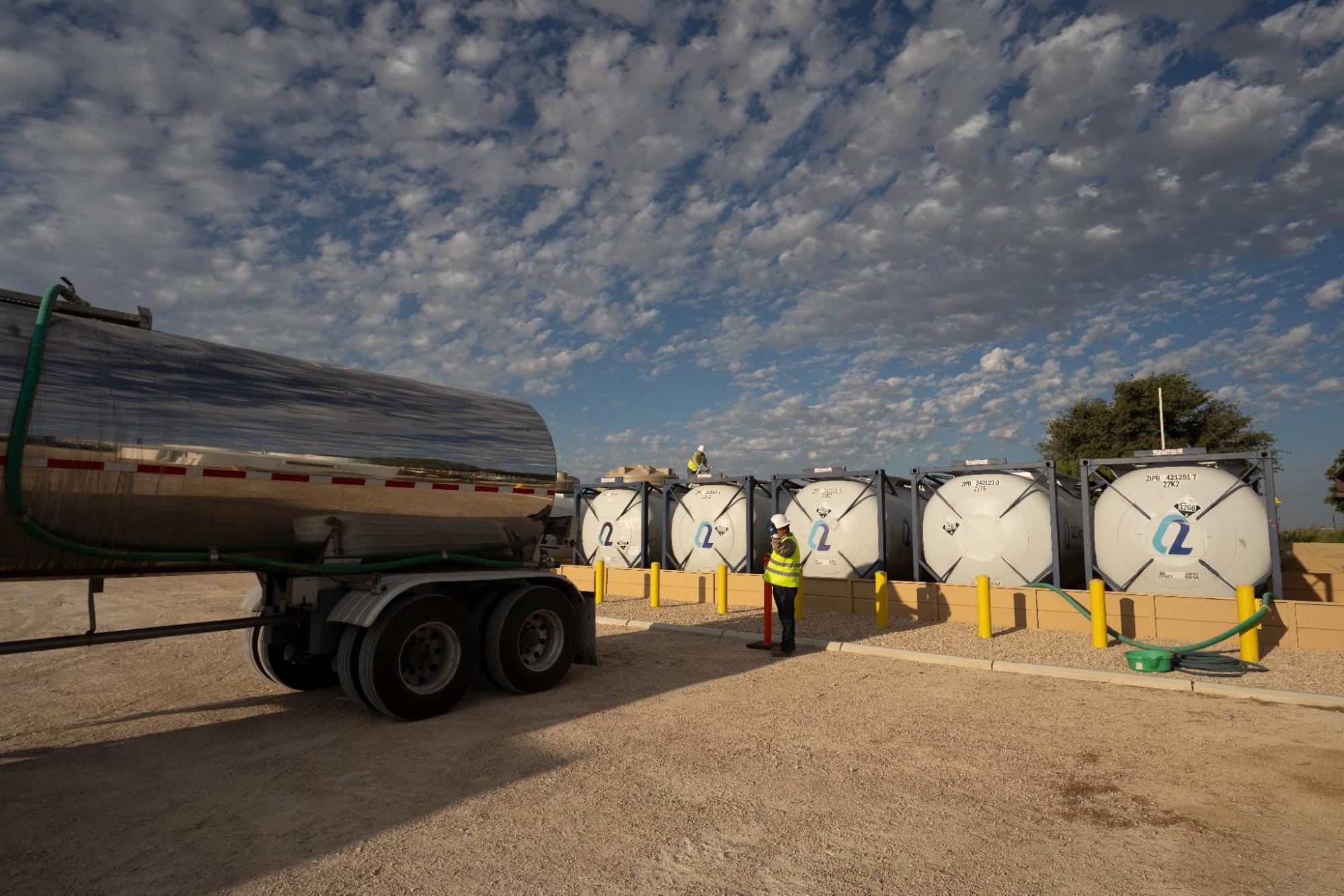
Why H2S Scavenger Chemicals Are Regulated as Hazmat

Many H2S scavenger chemistries, including amine-based triazine products and other liquid formulations, are corrosive, and some carry additional hazard characteristics such as toxicity or reactivity, which places them under the U.S.Department of Transportation’s hazardous materials regulations in 49 CFR. Shipping one of these products by truck, rail, or vessel without proper classification, packaging, and documentation is not just a paperwork problem, it is a regulatory violation that can result in fines, shipment refusal, and real safety risk if an improperly packaged product leaks in transit.

Classifying the Chemical: Hazard Class and Packing Group

DOT organizes hazardous materials into nine hazard classes, and most H2S scavenger chemistries fall under Class 8 (corrosive materials), sometimes with a subsidiary hazard depending on the specific formulation. Within a hazard class, a chemical also receives a packing group, I, II, or III, reflecting the severity of the hazard, which is determined by criteria such as how quickly the material destroys skin tissue on contact, and the packing group drives which UN-certified packaging is required and how much product can ship in a single container.

UN Number, Proper Shipping Name, and the SDS

Every regulated shipment needs a UN identification number and a DOT proper shipping name pulled from the Hazardous Materials Table in 49 CFR 172.101, and the transportation section of a product’s safety data sheet is where a shipper should confirm this information rather than guessing based on a similar product. Getting the UN number or shipping name wrong is one of the most common reasons a hazmat shipment gets refused at pickup or flagged during a roadside inspection.

Packaging, Marking, and Labeling Requirements

A corrosive H2S scavenger generally must ship in UN-certified performance-oriented packaging rated for its specific packing group, and that packaging must carry the correct hazard labels, including the corrosive diamond and any subsidiary hazard labels the product requires. Packages must also be marked with the UN number and proper shipping name, and shipments above certain quantity thresholds require placarding on the transport vehicle itself, not just labels on the individual containers.

Shipping Papers and Emergency Response Information

Every hazmat shipment travels with a shipping paper, commonly a bill of lading or dangerous goods declaration, that documents the UN number, proper shipping name, hazard class, packing group, and quantity, along with 24-hour emergency contact information for the product. This paperwork has to be immediately accessible to the driver or carrier at all times during transport, since it is the first thing emergency responders will look for if an incident occurs in transit.

Training Requirements for Anyone Handling the Shipment

Anyone who classifies, packages, labels, loads, or documents a hazmat shipment is considered a hazmat employee under DOT regulations and must complete general awareness, function-specific, and safety training, along with security awareness training, before performing those duties unsupervised, and this training has to be refreshed on a recurring cycle. A supplier or customer handling H2S scavenger shipments without current hazmat training is exposed to compliance risk regardless of how careful the actual physical handling is.

Q2 Technologies manages its own logistics network, giving the company direct oversight of delivery timelines, inventory positioning, and product handling. This control reduces the risk of delays that can disrupt treatment programs in the field. Customers benefit from a supply chain built specifically around the demands of oilfield and industrial chemical treatment. Read more insights like this on the Q2 Technologies blog.
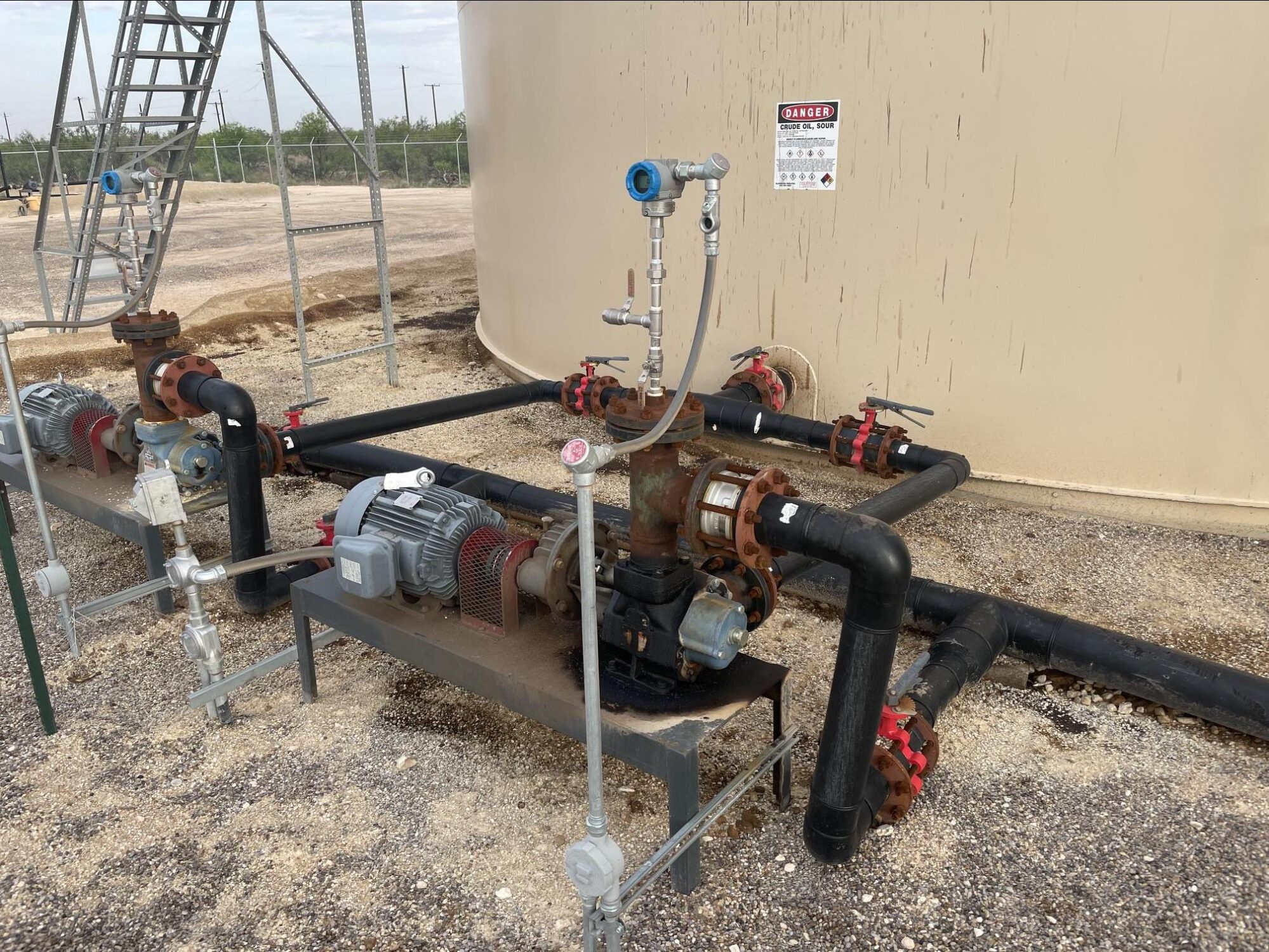

Why H2S Scavenger Chemicals Are Regulated as Hazmat

Many H2S scavenger chemistries, including amine-based triazine products and other liquid formulations, are corrosive, and some carry additional hazard characteristics such as toxicity or reactivity, which places them under the U.S.Department of Transportation’s hazardous materials regulations in 49 CFR. Shipping one of these products by truck, rail, or vessel without proper classification, packaging, and documentation is not just a paperwork problem, it is a regulatory violation that can result in fines, shipment refusal, and real safety risk if an improperly packaged product leaks in transit.

Classifying the Chemical: Hazard Class and Packing Group

DOT organizes hazardous materials into nine hazard classes, and most H2S scavenger chemistries fall under Class 8 (corrosive materials), sometimes with a subsidiary hazard depending on the specific formulation. Within a hazard class, a chemical also receives a packing group, I, II, or III, reflecting the severity of the hazard, which is determined by criteria such as how quickly the material destroys skin tissue on contact, and the packing group drives which UN-certified packaging is required and how much product can ship in a single container.

UN Number, Proper Shipping Name, and the SDS

Every regulated shipment needs a UN identification number and a DOT proper shipping name pulled from the Hazardous Materials Table in 49 CFR 172.101, and the transportation section of a product’s safety data sheet is where a shipper should confirm this information rather than guessing based on a similar product. Getting the UN number or shipping name wrong is one of the most common reasons a hazmat shipment gets refused at pickup or flagged during a roadside inspection.

Packaging, Marking, and Labeling Requirements

A corrosive H2S scavenger generally must ship in UN-certified performance-oriented packaging rated for its specific packing group, and that packaging must carry the correct hazard labels, including the corrosive diamond and any subsidiary hazard labels the product requires. Packages must also be marked with the UN number and proper shipping name, and shipments above certain quantity thresholds require placarding on the transport vehicle itself, not just labels on the individual containers.

Shipping Papers and Emergency Response Information

Every hazmat shipment travels with a shipping paper, commonly a bill of lading or dangerous goods declaration, that documents the UN number, proper shipping name, hazard class, packing group, and quantity, along with 24-hour emergency contact information for the product. This paperwork has to be immediately accessible to the driver or carrier at all times during transport, since it is the first thing emergency responders will look for if an incident occurs in transit.

Training Requirements for Anyone Handling the Shipment

Anyone who classifies, packages, labels, loads, or documents a hazmat shipment is considered a hazmat employee under DOT regulations and must complete general awareness, function-specific, and safety training, along with security awareness training, before performing those duties unsupervised, and this training has to be refreshed on a recurring cycle. A supplier or customer handling H2S scavenger shipments without current hazmat training is exposed to compliance risk regardless of how careful the actual physical handling is.

Q2 Technologies manages its own logistics network, giving the company direct oversight of delivery timelines, inventory positioning, and product handling. This control reduces the risk of delays that can disrupt treatment programs in the field. Customers benefit from a supply chain built specifically around the demands of oilfield and industrial chemical treatment. Read more insights like this on the Q2 Technologies blog.

When introduced into a stream afflicted with H2S, the hemiformal decomposes to release formaldehyde, which then reacts with hydrogen sulfide to form stable, non-volatile byproducts such as thiomethylene glycol.  The reaction is typically fast and efficient, particularly in aqueous or mixed-phase environments. Unlike some traditional scavengers, hemiformal can maintain activity across a broad pH range and is less likely to generate problematic solids. When considering if hemiformal is the right product, certain operating conditions are reviewed, such as pH and temperature.

Heading 1

When introduced into a stream afflicted with H2S, the hemiformal decomposes to release formaldehyde, which then reacts with hydrogen sulfide to form stable, non-volatile byproducts such as thiomethylene glycol.  The reaction is typically fast and efficient, particularly in aqueous or mixed-phase environments. Unlike some traditional scavengers, hemiformal can maintain activity across a broad pH range and is less likely to generate problematic solids. When considering if hemiformal is the right product, certain operating conditions are reviewed, such as pH and temperature.

Heading 2

When introduced into a stream afflicted with H2S, the hemiformal decomposes to release formaldehyde, which then reacts with hydrogen sulfide to form stable, non-volatile byproducts such as thiomethylene glycol.  The reaction is typically fast and efficient, particularly in aqueous or mixed-phase environments. Unlike some traditional scavengers, hemiformal can maintain activity across a broad pH range and is less likely to generate problematic solids. When considering if hemiformal is the right product, certain operating conditions are reviewed, such as pH and temperature.

Heading 3

Heading 4

When introduced into a stream afflicted with H2S, the hemiformal decomposes to release formaldehyde, which then reacts with hydrogen sulfide to form stable, non-volatile byproducts such as thiomethylene glycol.  The reaction is typically fast and efficient, particularly in aqueous or mixed-phase environments. Unlike some traditional scavengers, hemiformal can maintain activity across a broad pH range and is less likely to generate problematic solids. When considering if hemiformal is the right product, certain operating conditions are reviewed, such as pH and temperature. 

Key Benefits:

  • Controlled formaldehyde release 
  • Lower vapor pressure and improved safety profile 
  • Broad applicability across liquid and gas-phase systems 
  • Reduced scaling in sour water stripping and other high-temp operations 
  • Hemiformal can make the scavenger safe for transport as it is a very stable compound 

Heading 5

Hemiformal is used in a variety of upstream and midstream applications, including: 

  • Gas sweetening systems 
  • Produced water treatment 
  • Crude oil storage and transport 
  • Sour water stripper overheads 
  • Temporary H2S mitigation during maintenance or turnaround

Its adaptability makes it especially useful in operations where system conditions fluctuate or where traditional triazine-based products may underperform. 

Heading 6

While hemiformal offers many advantages, it is not a one-size-fits-all solution. The rate of formaldehyde release can vary depending on formulation and environmental conditions. Additionally, while safer than raw formaldehyde, hemiformal must still be handled with care and appropriate PPE. 

For optimal results, formulation expertise and application-specific customization are key—something we at Q2 Technologies excel at delivering. 

Related Blogs

Shipping H2S Scavenger Chemicals: A DOT Hazmat Compliance Primer

Most H2S scavenger chemistries are corrosive and ship under DOT's Class 8 hazmat regulations in 49 CFR, with a packing group, I, II, or III, based on the severity of the hazard. Every regulated shipment needs a UN identification number and proper shipping name from the Hazardous Materials Table, confirmed against the product's SDS transportation section. Packaging must be UN-certified for the correct packing group, correctly labeled and marked, and placarded on the transport vehicle above certain quantity thresholds. Anyone who classifies, packages, labels, loads, or documents the shipment must complete recurring DOT hazmat employee training regardless of how carefully the physical handling itself is done.

FAQs

  1. What DOT hazard class do most H2S scavenger chemicals fall under?

    Most H2S scavenger chemistries are corrosive and ship under DOT Class 8, sometimes with a subsidiary hazard depending on the specific formulation, which is confirmed in the transportation section of the product’s SDS.

  2. What is a packing group and why does it matter for shipping H2S scavengers?

    A packing group, I, II, or III, reflects the severity of a corrosive material’s hazard based on how quickly it destroys skin tissue on contact, and it determines which UN-certified packaging is required and how much product can ship in a single container.

  3. Where does a shipper find the correct UN number and proper shipping name for an H2S scavenger?

    The UN number and DOT proper shipping name come from the Hazardous Materials Table in 49 CFR 172.101, and the transportation section of the product’s safety data sheet is the reliable place to confirm this information rather than assuming it matches a similar product.

  4. Who needs hazmat training to ship H2S scavenger chemicals?

    Anyone who classifies, packages, labels, loads, or documents the shipment is a hazmat employee under DOT regulations and must complete general awareness, function-specific, safety, and security awareness training on a recurring cycle.

Related Articles