

H2S Defeats Your Own Senses
H2S is famous for its rotten-egg smell at low concentrations, but that same smell disappears at the higher concentrations that pose the greatest danger, because H2S rapidly deadens the human sense of smell through olfactory fatigue. This means the exact moment a worker most needs to smell danger is often the moment they can no longer smell anything at all, which is why relying on odor as a warning system is actively dangerous rather than merely unreliable.
Why Other PPE Doesn’t Solve This Problem
Respirators, protective clothing, and other standard PPE protect a worker once a hazard is known, but none of them tell a worker that H2S is present in the first place, and H2S is invisible, colorless, and, once concentrations rise, undetectable by smell. A monitor is the only piece of equipment in a standard PPE kit whose entire job is answering the question every other piece of equipment assumes has already been answered: is the air actually safe to breathe right now.
Why Placement Near the Face Matters
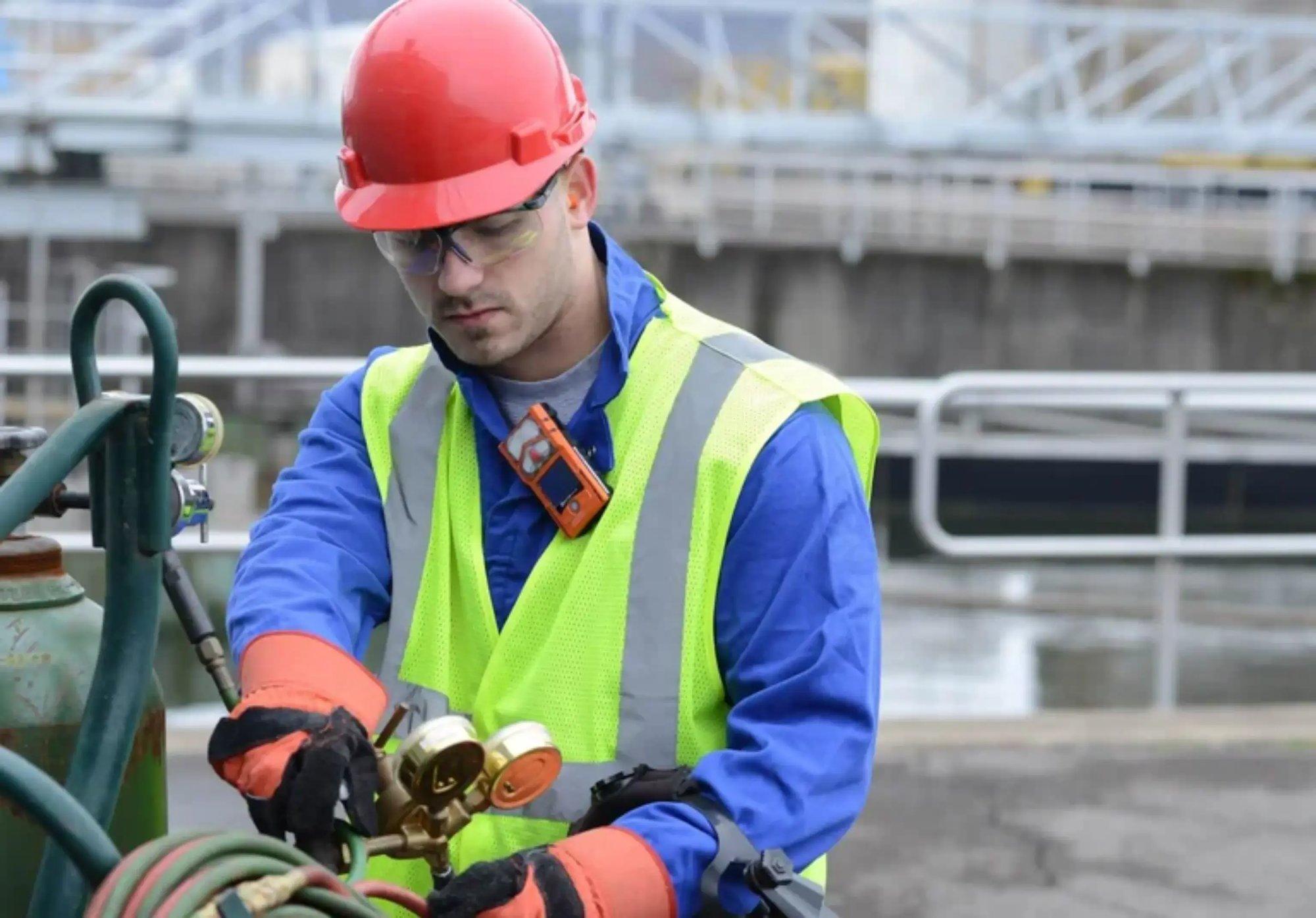
An H2S monitor clipped to a collar, lapel, or breathing zone measures the air a worker is actually about to inhale, rather than air near the waist or a fixed point across a work area, which matters because H2S is heavier than air and concentrations can vary significantly across just a few feet of vertical or horizontal distance. A monitor mounted anywhere other than close to the breathing zone can under-read a hazard that is actually concentrated right where a worker’s face happens to be.
Single-Gas vs. Multi-Gas Personal Monitors
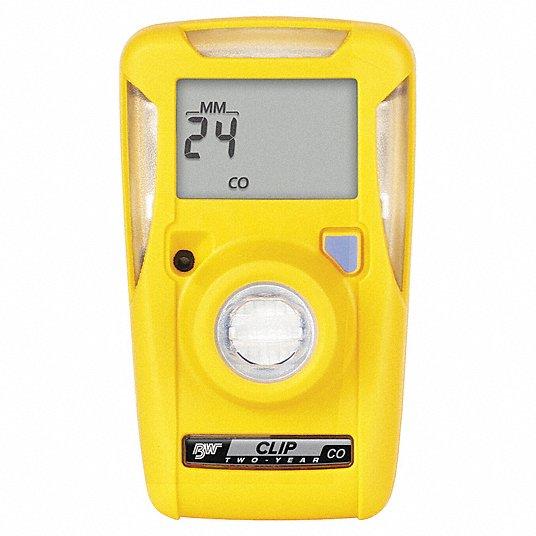
Single-gas H2S monitors are compact, often disposable after a fixed service life of two to three years, and dedicated entirely to detecting H2S, which makes them a low-cost option for workers whose primary hazard is H2S alone. Multi-gas monitors add sensors for oxygen, combustible gas (LEL), and carbon monoxide alongside H2S, covering the toxic, asphyxiant, and combustible hazard categories a worker might encounter in confined spaces or more complex operating environments, at a higher upfront cost but often a lower total cost of ownership since sensors and batteries can be serviced and replaced rather than the whole unit discarded.
Diffusion vs. Pumped Sampling
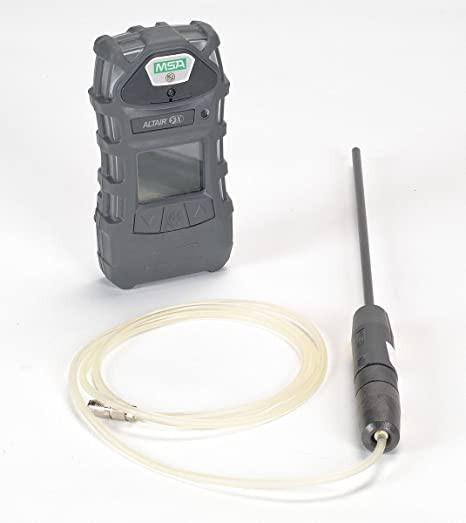
Most personal monitors use diffusion sampling, meaning ambient air simply reaches the sensor passively, which works well for continuous personal monitoring in an open work environment. Pumped monitors actively draw a sample through the sensor, often through an extended hose, which allows a worker to check a confined space or an elevated or hard-to-reach area for H2S before ever entering it, rather than relying on ambient diffusion once already inside.
Calibration and Bump Testing Keep the Monitor Honest
An H2S monitor is only as reliable as its last calibration, and electrochemical sensors drift over time, which is why a documented bump testing and calibration schedule, checking the monitor’s response against a known concentration of test gas, is as much a part of the safety program as wearing the monitor itself. A monitor that has not been bump tested recently can give a worker false confidence that the air is safe when the sensor itself has actually stopped responding correctly, which defeats the entire purpose of wearing it.
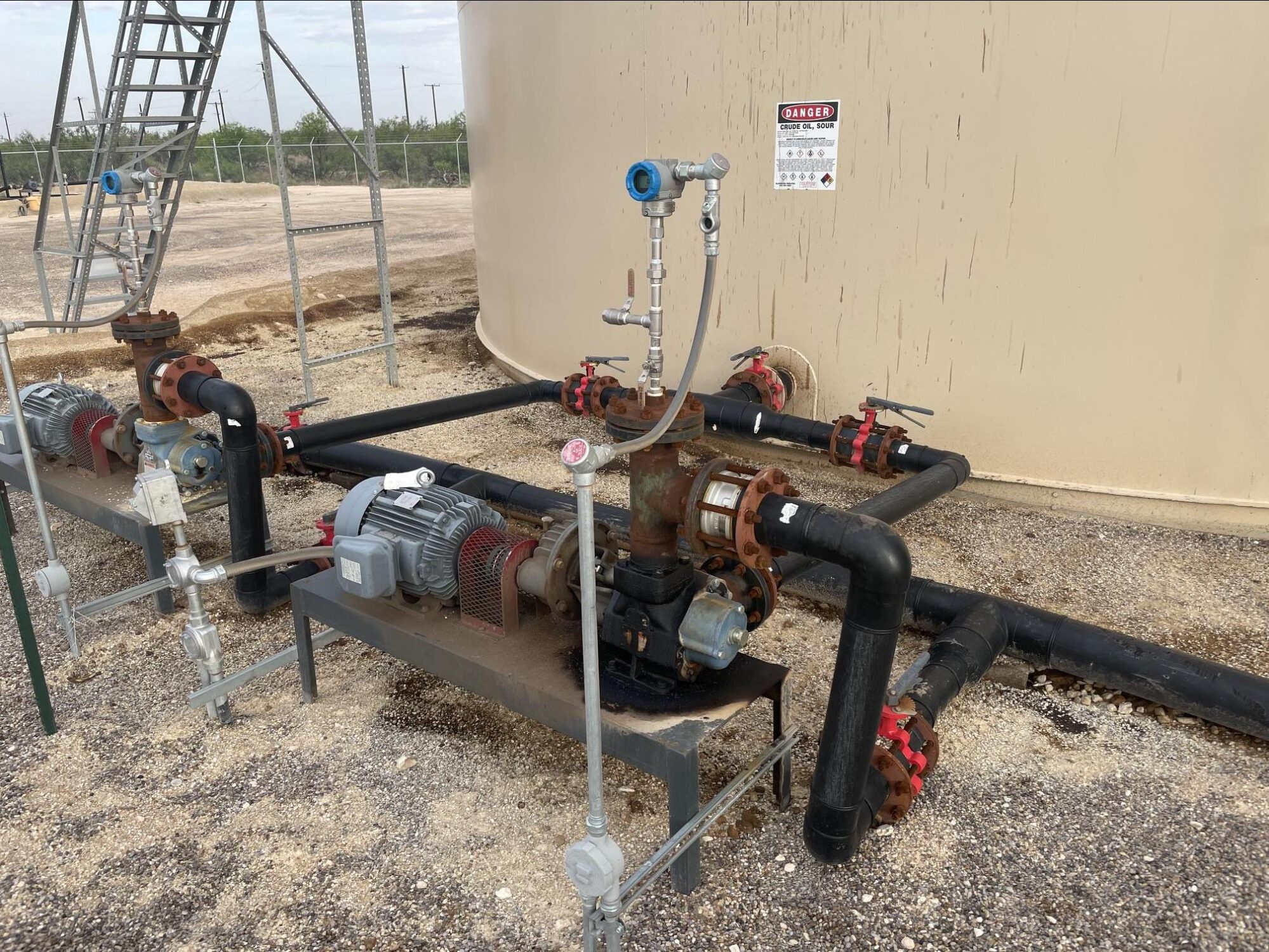
Crude oil storage tanks present unique challenges for H2S management, including vapor space accumulation that can pose safety risks to personnel and communities near tank batteries. Q2 Technologies offers proprietary vapor-phase and liquid-phase scavenger chemistries designed to address both concerns. This comprehensive approach reflects the company’s leadership in sour crude oil safety and treatment. Visit Q2Technologies.com to learn more about our tank battery H2S treatment solutions.