


How Federal and State Authority Overlap
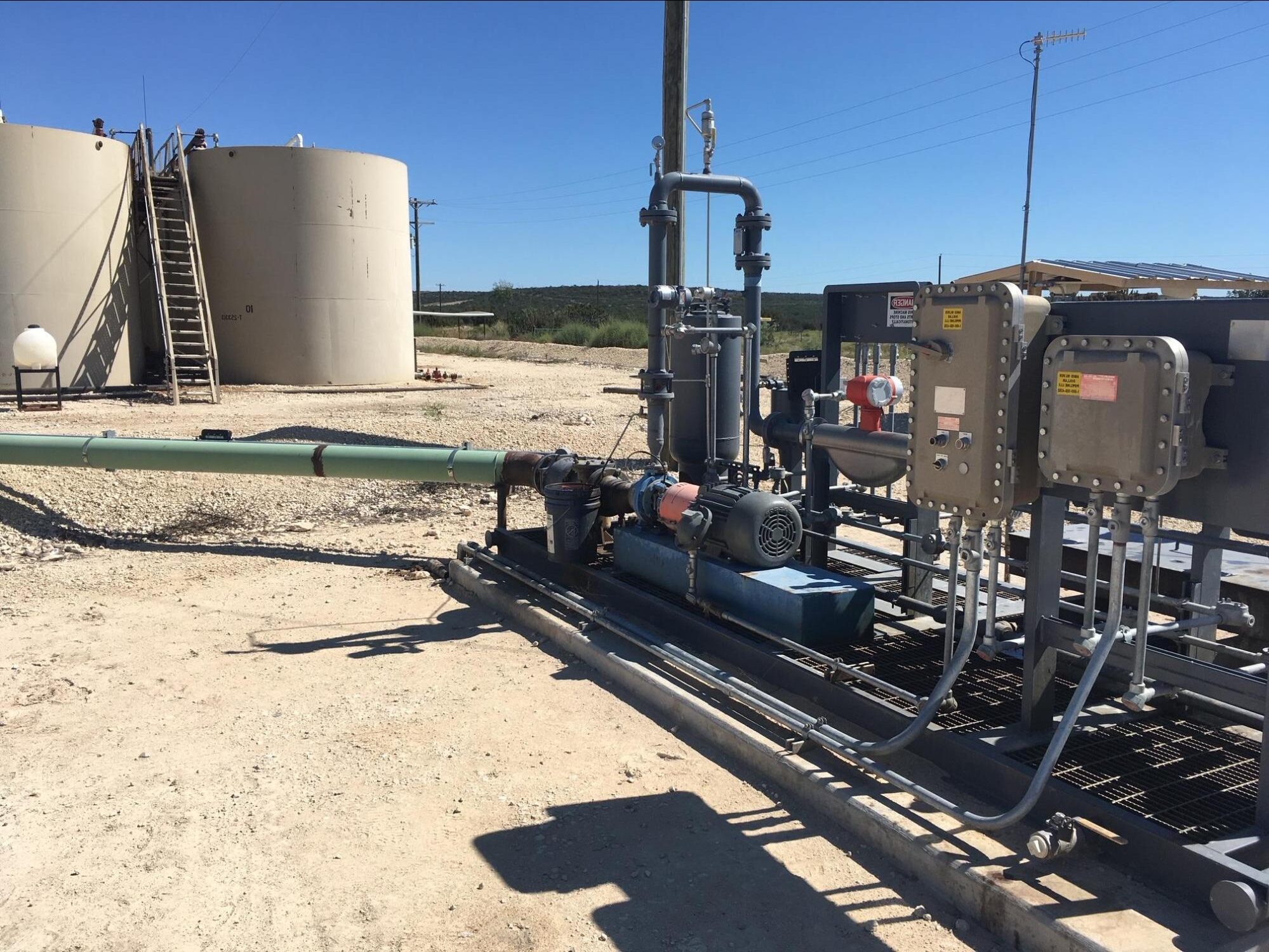
The federal Clean Air Act gives the EPA broad authority over air emissions, but day-to-day permitting and enforcement for oil and gas H2S emissions in most states happens at the state level, through a state implementation plan and a state environmental agency acting under that federal framework. In Texas, that agency is the Texas Commission on Environmental Quality, or TCEQ, which regulates air emissions from oil and gas sites under the Texas Clean Air Act, while a separate state agency, the Railroad Commission of Texas, regulates the oil and gas production and well classification side of the same operations.
Sour Well Classification Under Texas Statewide Rule 36
The Railroad Commission of Texas classifies oil and gas wells as sweet or sour based on H2S concentration, and Statewide Rule 36 imposes additional requirements, including specific contingency planning and public notification provisions, once a well’s H2S concentration reaches 100 ppm or more. This classification exists independently of TCEQ’s air permitting requirements, so a well can trigger Statewide Rule 36 obligations from the Railroad Commission at the same time it triggers separate air authorization requirements from TCEQ.
TCEQ Air Authorization Tiers for Oil and Gas Facilities
TCEQ’s air permitting framework for oil and gas facilities runs through several tiers depending on emission volume: de minimis facilities below a certain threshold need no registration at all, permit by rule (PBR) authorizations cover facilities emitting below roughly 25 tons per year of H2S or similar contaminants, and facilities exceeding those thresholds typically need a standard permit or a case-by-case permit instead.. A facility’s specific H2S emission volume, not just its general size or type, determines which authorization tier applies.
Fugitive Emission Requirements Near Sour Gas Facilities
TCEQ’s standard permit for oil and gas facilities imposes stricter fugitive emission monitoring and repair requirements on facilities handling or processing sour gas, particularly those located within a quarter mile of the nearest off-plant receptor, where H2S fugitive emissions are effectively prohibited unless a documented leak detection and repair program is in place. This means proximity to homes, businesses, or other receptors can change a facility’s compliance obligations even when its total emission volume would otherwise qualify for a less stringent authorization tier.
Why This Overview Focuses on Texas First
Texas produces a large share of the H2S-bearing oil and gas volume in the United States, and its two-agency structure, TCEQ for air quality and the Railroad Commission for well classification and production rules, is a useful model for understanding how federal and state H2S regulation typically layer together. Other major producing states structure this differently, some through a single combined regulator and others through separate agencies with different emission thresholds and different well classification triggers, which is exactly why a state-by-state breakdown is more useful than a single generic summary.
What Operators Should Watch For as This Series Continues
This overview is the first in a series that will walk through H2S air regulation state by state, since an operator working across multiple basins, the Permian in Texas and New Mexico, the Eagle Ford, or basins outside Texas entirely, needs to track meaningfully different rules and thresholds in each jurisdiction rather than assuming Texas requirements apply everywhere. Future installments will cover how other major producing states structure their own H2S air permitting and well classification requirements, and how those requirements compare to the Texas framework outlined here.
Q2 Technologies has a strong operating presence in the Texas side of the Delaware Basin, supporting producers with proprietary H2S and corrosion treatment chemistries suited to the region’s demanding conditions. Local partnerships and responsive logistics allow Q2 to serve operators quickly across this high-activity area. The company’s decades of Permian experience translate into treatment programs built for the basin’s specific challenges. Read more about our Permian Basin operations on the Q2 Technologies blog.