
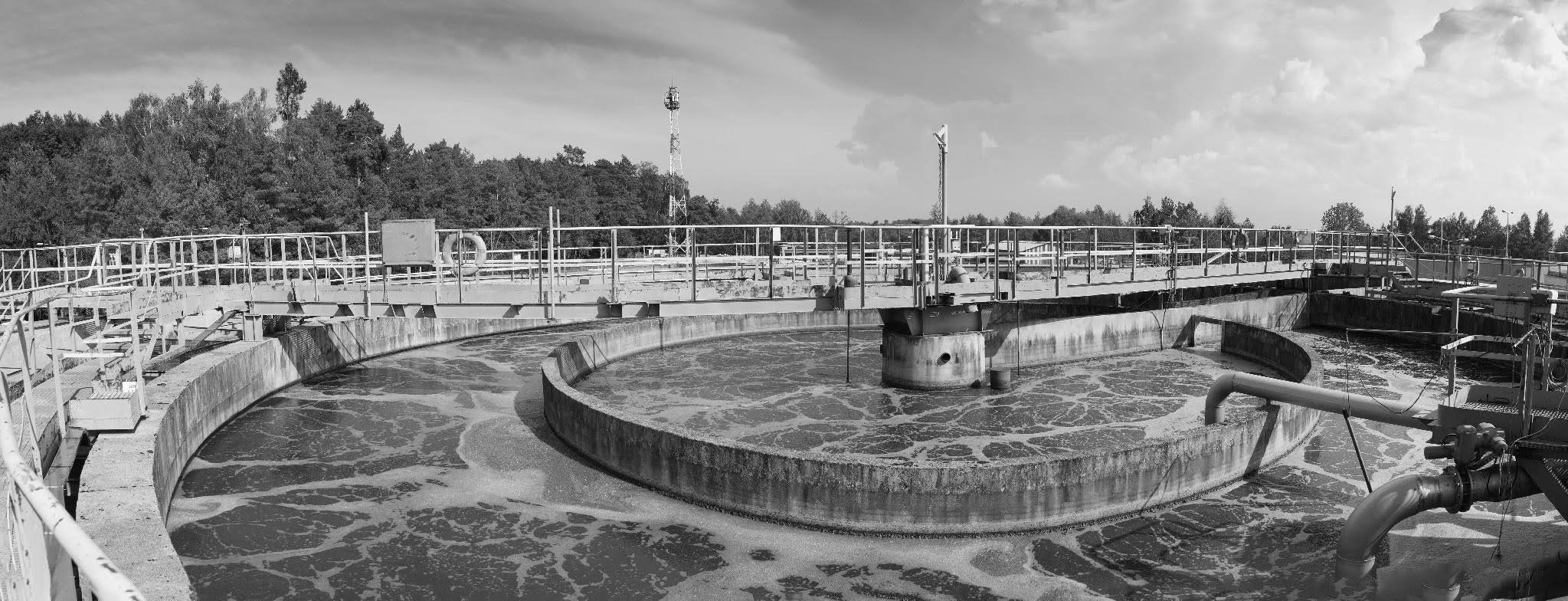
What Actually Causes Wastewater Odor

Most nuisance odor in wastewater collection and treatment systems traces back to hydrogen sulfide generated when sulfate-reducing bacteria metabolize sulfate in oxygen-depleted conditions, a situation common in long force mains and low-flow collection lines. Organic sulfur compounds such as mercaptans and dimethyl sulfide contribute to odor as well, but H2S is typically the primary driver and the compound most odor control programs are built around.

Oxidizing Agents for Fast Knockdown

Chemical oxidants such as sodium hypochlorite, hydrogen peroxide, and potassium permanganate convert dissolved sulfide directly into more benign sulfur species, providing rapid odor reduction when a fast response is needed. Because oxidants react non-selectively with other compounds in wastewater, they typically need to be dosed above stoichiometric requirements to achieve reliable results, and they do nothing to address the sulfate-reducing bacteria population that will keep generating new sulfide after the oxidant is consumed.

Iron Salts for Sulfide Precipitation

Ferrous chloride, ferric chloride, and ferric sulfate are commonly dosed upstream of a treatment facility to bind dissolved sulfide into an insoluble iron sulfide precipitate that settles out in the solids stream rather than volatilizing into odorous H2S gas. Iron salt dosing also offers a secondary benefit of phosphate removal, but it consumes alkalinity and dissolved oxygen in the process, and iron salt products typically carry enough residual acidity to depress pH if not managed carefully.

Nitrate Chemistries for Longer-Term Control

Calcium and sodium nitrate give sulfate-reducing bacteria an alternative oxygen source for their metabolism, which suppresses the biological sulfate reduction that generates H2S in the first place rather than reacting with sulfide after it has already formed. This makes nitrate treatment better suited to force mains and collection systems with longer retention time, where addressing the biological source of the problem produces more durable results than a point-of-use chemical reaction.

Matching Chemistry to Where the Odor Originates

Collection system odor, typically generated over long travel times in force mains, usually responds best to nitrate-based prevention or continuous low-dose iron salt treatment applied well upstream of the affected area. Odor generated closer to a treatment plant headworks or lift station, where a fast response matters more than long-term prevention, is often better addressed with an oxidizing agent applied at the point where odor is actually detected.

Building a Complete Odor Control Program

Because no single chemistry addresses every source and timescale of wastewater odor, many facilities combine approaches, using nitrate or iron salt treatment to manage baseline sulfide generation in the collection system and reserving oxidizing agents for localized odor complaints or upset conditions. Regular monitoring of dissolved sulfide and H2S headspace concentration at key points in the system helps confirm that a chemical program is actually working and gives an early signal when dosing needs to be adjusted for changing flow or temperature conditions.

Managing sour water from sewage treatment processes requires reliable, field-tested chemistry, and Q2 Technologies applies decades of scavenger technology experience to meet that need. The company’s proprietary products help reduce odor and corrosion risks associated with hydrogen sulfide in wastewater streams. Q2’s manufacturing and logistics capabilities ensure treatment chemistry is available when facilities need it. Not sure what ‘sour water’ means? Visit our glossary page for a clear definition.
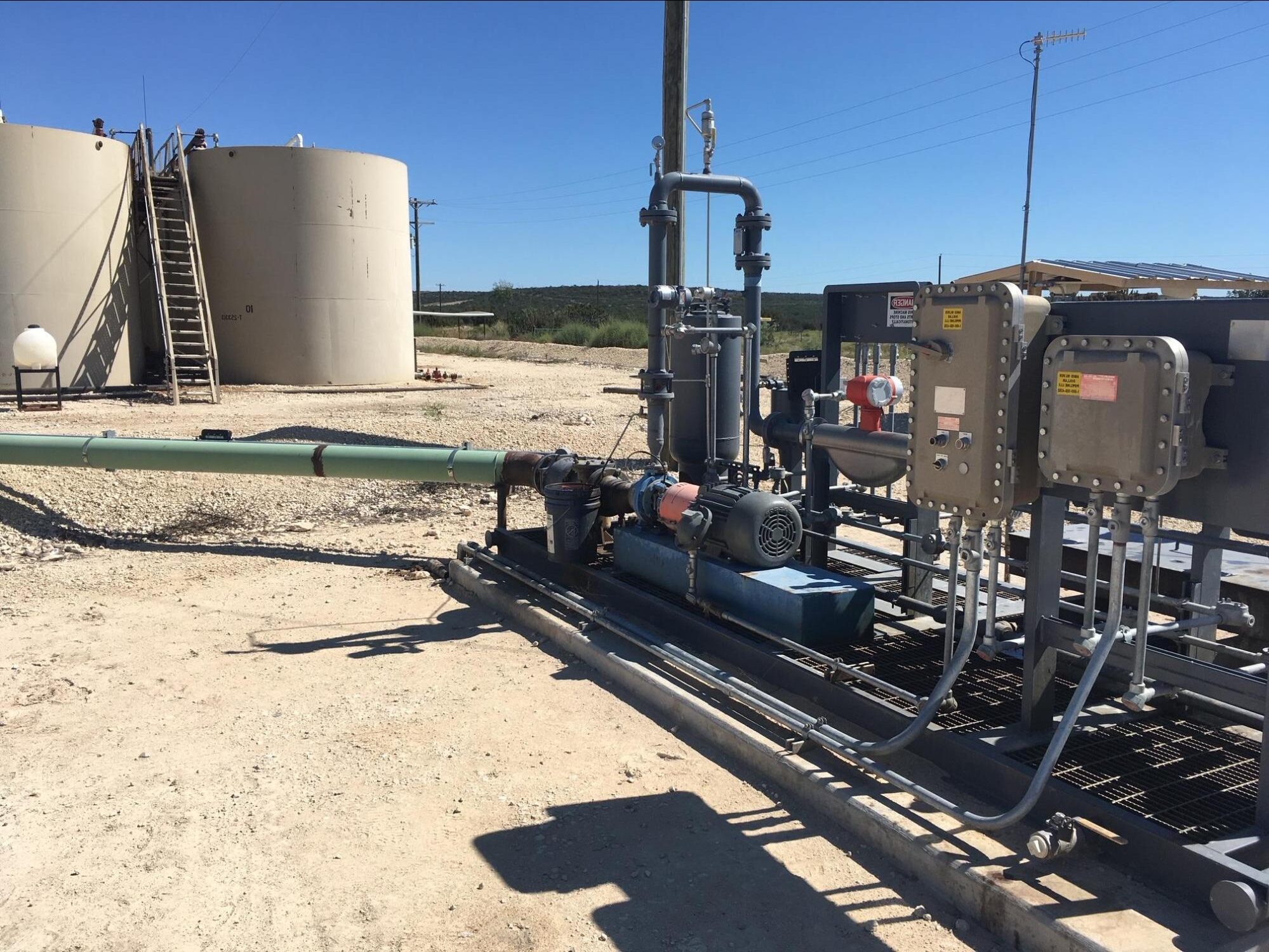

What Actually Causes Wastewater Odor

Most nuisance odor in wastewater collection and treatment systems traces back to hydrogen sulfide generated when sulfate-reducing bacteria metabolize sulfate in oxygen-depleted conditions, a situation common in long force mains and low-flow collection lines. Organic sulfur compounds such as mercaptans and dimethyl sulfide contribute to odor as well, but H2S is typically the primary driver and the compound most odor control programs are built around.

Oxidizing Agents for Fast Knockdown

Chemical oxidants such as sodium hypochlorite, hydrogen peroxide, and potassium permanganate convert dissolved sulfide directly into more benign sulfur species, providing rapid odor reduction when a fast response is needed. Because oxidants react non-selectively with other compounds in wastewater, they typically need to be dosed above stoichiometric requirements to achieve reliable results, and they do nothing to address the sulfate-reducing bacteria population that will keep generating new sulfide after the oxidant is consumed.

Iron Salts for Sulfide Precipitation

Ferrous chloride, ferric chloride, and ferric sulfate are commonly dosed upstream of a treatment facility to bind dissolved sulfide into an insoluble iron sulfide precipitate that settles out in the solids stream rather than volatilizing into odorous H2S gas. Iron salt dosing also offers a secondary benefit of phosphate removal, but it consumes alkalinity and dissolved oxygen in the process, and iron salt products typically carry enough residual acidity to depress pH if not managed carefully.

Nitrate Chemistries for Longer-Term Control

Calcium and sodium nitrate give sulfate-reducing bacteria an alternative oxygen source for their metabolism, which suppresses the biological sulfate reduction that generates H2S in the first place rather than reacting with sulfide after it has already formed. This makes nitrate treatment better suited to force mains and collection systems with longer retention time, where addressing the biological source of the problem produces more durable results than a point-of-use chemical reaction.

Matching Chemistry to Where the Odor Originates

Collection system odor, typically generated over long travel times in force mains, usually responds best to nitrate-based prevention or continuous low-dose iron salt treatment applied well upstream of the affected area. Odor generated closer to a treatment plant headworks or lift station, where a fast response matters more than long-term prevention, is often better addressed with an oxidizing agent applied at the point where odor is actually detected.

Building a Complete Odor Control Program

Because no single chemistry addresses every source and timescale of wastewater odor, many facilities combine approaches, using nitrate or iron salt treatment to manage baseline sulfide generation in the collection system and reserving oxidizing agents for localized odor complaints or upset conditions. Regular monitoring of dissolved sulfide and H2S headspace concentration at key points in the system helps confirm that a chemical program is actually working and gives an early signal when dosing needs to be adjusted for changing flow or temperature conditions.

Managing sour water from sewage treatment processes requires reliable, field-tested chemistry, and Q2 Technologies applies decades of scavenger technology experience to meet that need. The company’s proprietary products help reduce odor and corrosion risks associated with hydrogen sulfide in wastewater streams. Q2’s manufacturing and logistics capabilities ensure treatment chemistry is available when facilities need it. Not sure what ‘sour water’ means? Visit our glossary page for a clear definition.

When introduced into a stream afflicted with H2S, the hemiformal decomposes to release formaldehyde, which then reacts with hydrogen sulfide to form stable, non-volatile byproducts such as thiomethylene glycol.  The reaction is typically fast and efficient, particularly in aqueous or mixed-phase environments. Unlike some traditional scavengers, hemiformal can maintain activity across a broad pH range and is less likely to generate problematic solids. When considering if hemiformal is the right product, certain operating conditions are reviewed, such as pH and temperature.

Heading 1

When introduced into a stream afflicted with H2S, the hemiformal decomposes to release formaldehyde, which then reacts with hydrogen sulfide to form stable, non-volatile byproducts such as thiomethylene glycol.  The reaction is typically fast and efficient, particularly in aqueous or mixed-phase environments. Unlike some traditional scavengers, hemiformal can maintain activity across a broad pH range and is less likely to generate problematic solids. When considering if hemiformal is the right product, certain operating conditions are reviewed, such as pH and temperature.

Heading 2

When introduced into a stream afflicted with H2S, the hemiformal decomposes to release formaldehyde, which then reacts with hydrogen sulfide to form stable, non-volatile byproducts such as thiomethylene glycol.  The reaction is typically fast and efficient, particularly in aqueous or mixed-phase environments. Unlike some traditional scavengers, hemiformal can maintain activity across a broad pH range and is less likely to generate problematic solids. When considering if hemiformal is the right product, certain operating conditions are reviewed, such as pH and temperature.

Heading 3

Heading 4

When introduced into a stream afflicted with H2S, the hemiformal decomposes to release formaldehyde, which then reacts with hydrogen sulfide to form stable, non-volatile byproducts such as thiomethylene glycol.  The reaction is typically fast and efficient, particularly in aqueous or mixed-phase environments. Unlike some traditional scavengers, hemiformal can maintain activity across a broad pH range and is less likely to generate problematic solids. When considering if hemiformal is the right product, certain operating conditions are reviewed, such as pH and temperature. 

Key Benefits:

  • Controlled formaldehyde release 
  • Lower vapor pressure and improved safety profile 
  • Broad applicability across liquid and gas-phase systems 
  • Reduced scaling in sour water stripping and other high-temp operations 
  • Hemiformal can make the scavenger safe for transport as it is a very stable compound 

Heading 5

Hemiformal is used in a variety of upstream and midstream applications, including: 

  • Gas sweetening systems 
  • Produced water treatment 
  • Crude oil storage and transport 
  • Sour water stripper overheads 
  • Temporary H2S mitigation during maintenance or turnaround

Its adaptability makes it especially useful in operations where system conditions fluctuate or where traditional triazine-based products may underperform. 

Heading 6

While hemiformal offers many advantages, it is not a one-size-fits-all solution. The rate of formaldehyde release can vary depending on formulation and environmental conditions. Additionally, while safer than raw formaldehyde, hemiformal must still be handled with care and appropriate PPE. 

For optimal results, formulation expertise and application-specific customization are key—something we at Q2 Technologies excel at delivering. 

Related Blogs

Choosing the Right Chemistry to Control Wastewater Odor

Most nuisance wastewater odor comes from hydrogen sulfide generated when sulfate-reducing bacteria metabolize sulfate in oxygen-depleted conditions, common in long force mains and low-flow lines. Oxidizing agents such as sodium hypochlorite, hydrogen peroxide, and potassium permanganate provide fast odor knockdown by converting sulfide directly but do not address the bacteria generating new sulfide. Iron salts precipitate sulfide into a settleable solid, while nitrate chemistries suppress sulfate-reducing bacteria at the source, making them better suited to longer retention systems. Combining prevention-focused chemistry in the collection system with oxidizers reserved for localized odor complaints tends to produce the most reliable overall program.

FAQs

  1. What causes most odor in wastewater collection systems?

    Most nuisance odor comes from hydrogen sulfide, generated when sulfate-reducing bacteria metabolize sulfate in the oxygen-depleted conditions common in long force mains and low-flow collection lines.

  2. What is the fastest chemical option for wastewater odor control?

    Oxidizing agents such as sodium hypochlorite, hydrogen peroxide, and potassium permanganate provide the fastest odor reduction by converting dissolved sulfide directly into more benign sulfur compounds.

  3. How do iron salts control wastewater odor?

    Iron salts such as ferrous chloride and ferric chloride bind dissolved sulfide into an insoluble iron sulfide precipitate that settles out in the solids stream rather than volatilizing into odorous H2S gas.

  4. Why use nitrate chemistry instead of an oxidant for odor control?

    Nitrate gives sulfate-reducing bacteria an alternative oxygen source, suppressing the biological reaction that generates H2S in the first place, which makes it better suited to long-retention systems where preventing sulfide formation matters more than reacting to it after the fact.

Related Articles