
Driving Innovation Forward: Q2 Technologies’ R&D Collaboration With Rice University

Q2 Technologies is partnering with Rice University to advance selective sulfur and oxygenate removal from NGLs. This strategic R&D collaboration is accelerating innovation from laboratory research to field-ready solutions.

At Q2 Technologiestechnologies isn’t just part of our name – it’s who we are. As we wrap up another year of progress, we’re proud to share a look inside one of our initiatives: a strategic R&D partnership with Rice University that is shaping the future of selective sulfur and oxygenate removal from NGLs.

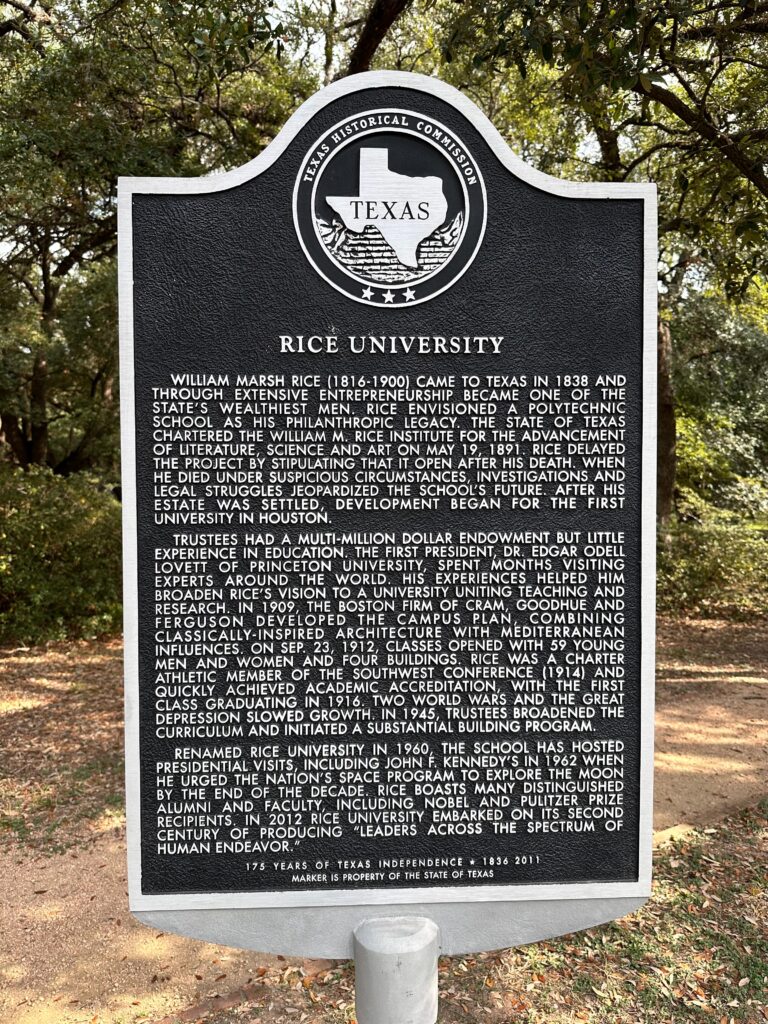
Rice Chemistry Building

Recognizing a Shift in the Market

Across the industry, sulfur- and oxygenate-related scrutiny has accelerated, especially in the liquid hydrocarbon space. Pipeline contracts, end-use requirements, and petrochemical standards have all tightened, while traditional treatment options have struggled to keep pace with what operators now require. 

Our team saw the gap clearly: the industry needed a more targeted, more effective, and more operationally practical solution. 

Building a Technical Partnership for Real-World Impact

To meet this need, Q2 Technologies launched a structured, data-driven R&D program with Rice University – one of the nation’s leading research institutions. Together with Rice’s PhD candidates and faculty, and supported by our team’s 100+ years of combined oil and gas experience, we designed a comprehensive testing matrix to rigorously evaluate selective removal across a wide range of sulfur species and oxygenates. 


Through iterative analysis and refinement, we narrowed the field of material candidates and accelerated development toward a real, scalable solution. 

Enhancing Capabilities With Advanced Analytical Tools

To strengthen the program, Q2 Technologies invested in additional analytical instrumentation and leveraged Rice University’s state-of-the-art laboratory facilities. This combined technical infrastructure allowed us to move quickly from broad concept exploration to definitive laboratory trials, ensuring speed without compromising scientific rigor. 

From Concept to Field Trials: A New Approach Emerges

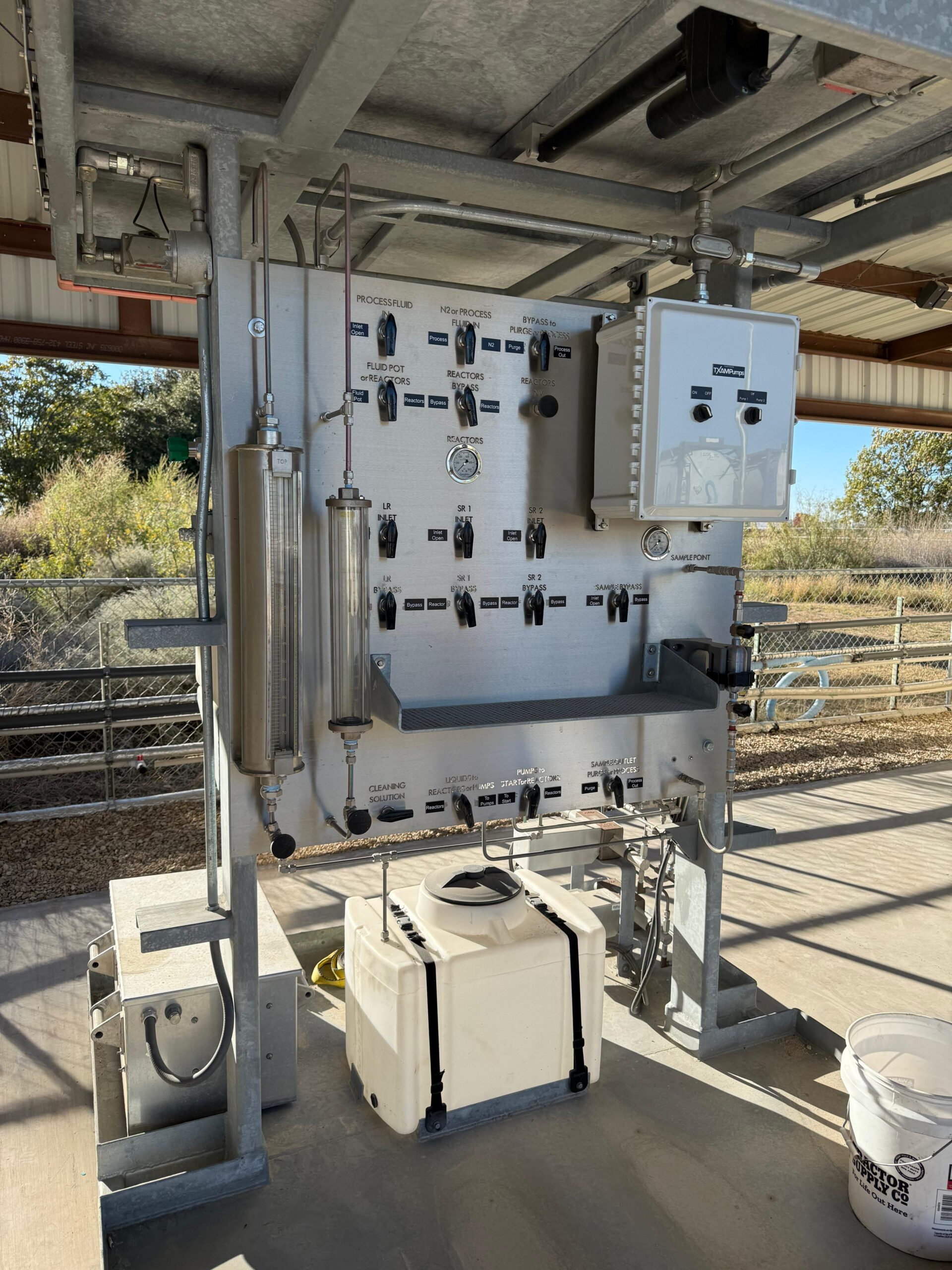
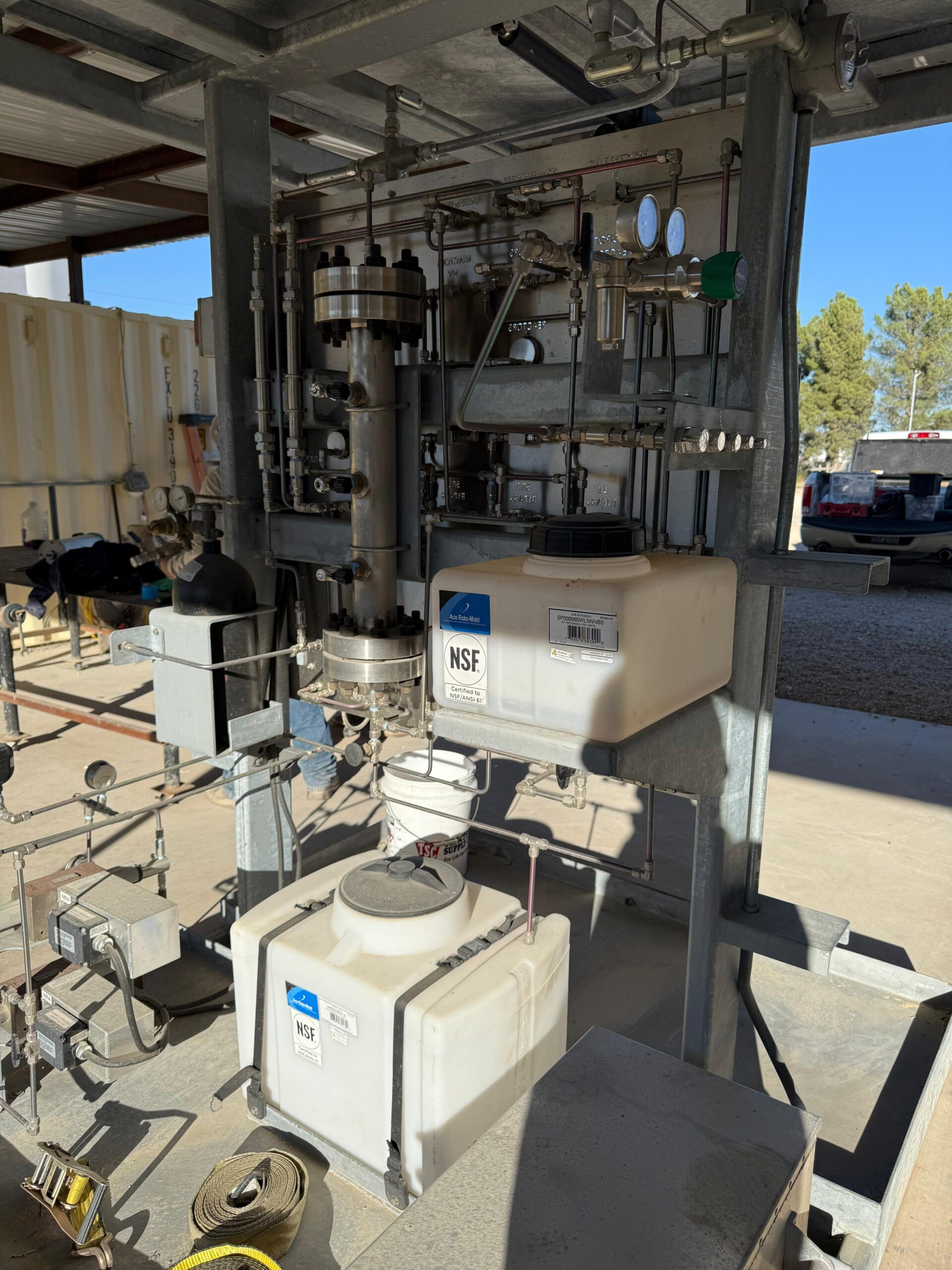
The result of this work is a viable, highly engineered material solution that has now progressed to field-trial readiness. 


Unlike traditional amine-based systems – which require significant equipment, continuous manpower, and deep operational expertise – this new technology provides a single-pass treatment solution. 


It eliminates unnecessary complexity while delivering targeted performance for selective sulfur removal and combined sulfur-and-oxygenate removal. 

What's Next: Field Demonstrations and Commercial Readiness

Q2 Technologies is now preparing full field demonstrations of this product across applications ranging from kerosene to NGL streams. The momentum built through this collaboration positions us to bring a fundamentally improved treatment option to an industry that needs it. If you’re interested in learning more or exploring how this solution could apply to your operations, we invite you to contact us.

As we enter the new year, our commitment remains the same: advancing technologies that solve real industry challenges. With field trials underway and a strong foundation of research behind us, 2026 will be a year focused on scaling, validating, and bringing this breakthrough solution to the operators who need it most. 


We’re excited for what’s ahead – and we look forward to sharing even more innovation, progress, and partnership in the coming year.

 

At Q2 Technologiestechnologies isn’t just part of our name – it’s who we are. As we wrap up another year of progress, we’re proud to share a look inside one of our initiatives: a strategic R&D partnership with Rice University that is shaping the future of selective sulfur and oxygenate removal from NGLs.

Rice Chemistry Building

Recognizing a Shift in the Market

Across the industry, sulfur- and oxygenate-related scrutiny has accelerated, especially in the liquid hydrocarbon space. Pipeline contracts, end-use requirements, and petrochemical standards have all tightened, while traditional treatment options have struggled to keep pace with what operators now require. 

Our team saw the gap clearly: the industry needed a more targeted, more effective, and more operationally practical solution. 

Building a Technical Partnership for Real-World Impact

To meet this need, Q2 Technologies launched a structured, data-driven R&D program with Rice University – one of the nation’s leading research institutions. Together with Rice’s PhD candidates and faculty, and supported by our team’s 100+ years of combined oil and gas experience, we designed a comprehensive testing matrix to rigorously evaluate selective removal across a wide range of sulfur species and oxygenates. 


Through iterative analysis and refinement, we narrowed the field of material candidates and accelerated development toward a real, scalable solution. 

Enhancing Capabilities With Advanced Analytical Tools

To strengthen the program, Q2 Technologies invested in additional analytical instrumentation and leveraged Rice University’s state-of-the-art laboratory facilities. This combined technical infrastructure allowed us to move quickly from broad concept exploration to definitive laboratory trials, ensuring speed without compromising scientific rigor. 

From Concept to Field Trials: A New Approach Emerges

The result of this work is a viable, highly engineered material solution that has now progressed to field-trial readiness. 


Unlike traditional amine-based systems – which require significant equipment, continuous manpower, and deep operational expertise – this new technology provides a single-pass treatment solution. 


It eliminates unnecessary complexity while delivering targeted performance for selective sulfur removal and combined sulfur-and-oxygenate removal. 

What's Next: Field Demonstrations and Commercial Readiness

Q2 Technologies is now preparing full field demonstrations of this product across applications ranging from kerosene to NGL streams. The momentum built through this collaboration positions us to bring a fundamentally improved treatment option to an industry that needs it. If you’re interested in learning more or exploring how this solution could apply to your operations, we invite you to contact us.

As we enter the new year, our commitment remains the same: advancing technologies that solve real industry challenges. With field trials underway and a strong foundation of research behind us, 2026 will be a year focused on scaling, validating, and bringing this breakthrough solution to the operators who need it most. 


We’re excited for what’s ahead – and we look forward to sharing even more innovation, progress, and partnership in the coming year.

 

When introduced into a stream afflicted with H2S, the hemiformal decomposes to release formaldehyde, which then reacts with hydrogen sulfide to form stable, non-volatile byproducts such as thiomethylene glycol.  The reaction is typically fast and efficient, particularly in aqueous or mixed-phase environments. Unlike some traditional scavengers, hemiformal can maintain activity across a broad pH range and is less likely to generate problematic solids. When considering if hemiformal is the right product, certain operating conditions are reviewed, such as pH and temperature.

Heading 1

When introduced into a stream afflicted with H2S, the hemiformal decomposes to release formaldehyde, which then reacts with hydrogen sulfide to form stable, non-volatile byproducts such as thiomethylene glycol.  The reaction is typically fast and efficient, particularly in aqueous or mixed-phase environments. Unlike some traditional scavengers, hemiformal can maintain activity across a broad pH range and is less likely to generate problematic solids. When considering if hemiformal is the right product, certain operating conditions are reviewed, such as pH and temperature.

Heading 2

When introduced into a stream afflicted with H2S, the hemiformal decomposes to release formaldehyde, which then reacts with hydrogen sulfide to form stable, non-volatile byproducts such as thiomethylene glycol.  The reaction is typically fast and efficient, particularly in aqueous or mixed-phase environments. Unlike some traditional scavengers, hemiformal can maintain activity across a broad pH range and is less likely to generate problematic solids. When considering if hemiformal is the right product, certain operating conditions are reviewed, such as pH and temperature.

Heading 3

Heading 4

When introduced into a stream afflicted with H2S, the hemiformal decomposes to release formaldehyde, which then reacts with hydrogen sulfide to form stable, non-volatile byproducts such as thiomethylene glycol.  The reaction is typically fast and efficient, particularly in aqueous or mixed-phase environments. Unlike some traditional scavengers, hemiformal can maintain activity across a broad pH range and is less likely to generate problematic solids. When considering if hemiformal is the right product, certain operating conditions are reviewed, such as pH and temperature. 

Key Benefits:

  • Controlled formaldehyde release 
  • Lower vapor pressure and improved safety profile 
  • Broad applicability across liquid and gas-phase systems 
  • Reduced scaling in sour water stripping and other high-temp operations 
  • Hemiformal can make the scavenger safe for transport as it is a very stable compound 

Heading 5

Hemiformal is used in a variety of upstream and midstream applications, including: 

  • Gas sweetening systems 
  • Produced water treatment 
  • Crude oil storage and transport 
  • Sour water stripper overheads 
  • Temporary H2S mitigation during maintenance or turnaround

Its adaptability makes it especially useful in operations where system conditions fluctuate or where traditional triazine-based products may underperform. 

Heading 6

While hemiformal offers many advantages, it is not a one-size-fits-all solution. The rate of formaldehyde release can vary depending on formulation and environmental conditions. Additionally, while safer than raw formaldehyde, hemiformal must still be handled with care and appropriate PPE. 

For optimal results, formulation expertise and application-specific customization are key—something we at Q2 Technologies excel at delivering. 

Related Blogs

FAQs

  1. Why is selective sulfur and oxygenate removal important for NGLs?

    Selective sulfur and oxygenate removal is increasingly important as pipeline specifications, end-use requirements, and petrochemical standards continue to tighten. Sulfur- and oxygenate-related contaminants can limit marketability, cause off-spec product issues, and create downstream processing challenges. A selective approach allows operators to meet these stricter requirements without over-treating or adding unnecessary operational complexity.

  2. How is this solution different from traditional amine-based treatment systems?

    Unlike traditional amine-based systems, which require significant equipment, continuous monitoring, and specialized operational expertise, this new technology is designed as a single-pass treatment solution. It delivers targeted sulfur and oxygenate removal while eliminating unnecessary complexity, reducing manpower needs, and simplifying operations — making it more practical for real-world field applications.

  3. What market challenges led Q2 Technologies to develop this new NGL treatment solution?

    Q2 Technologies developed this new NGL treatment solution in response to tightening sulfur- and oxygenate-related scrutiny across the liquid hydrocarbon market. Pipeline contracts, petrochemical feedstock requirements, and end-use specifications have become more restrictive, while traditional treatment options have struggled to deliver the level of selectivity, efficiency, and operational practicality operators now require. Recognizing this gap, Q2 Technologies pursued a more targeted, scalable solution that could address evolving market demands without adding unnecessary complexity or operational burden.

  4. How does this technology support pipeline and end-use specification compliance?

    This technology supports pipeline and end-use specification compliance by selectively removing sulfur species and oxygenates that commonly drive off-spec conditions in NGL streams. Its targeted, single-pass treatment approach enables operators to meet increasingly stringent quality requirements without over-treating valuable hydrocarbons or relying on complex, manpower-intensive systems. By delivering consistent contaminant control, the solution helps reduce the risk of rejections, penalties, and downstream processing issues, improving reliability across transportation and end-use applications.

Related Articles