


HOUSTON, Aug. 6, 2019 /PRNewswire/ — The oil being sold by the US Strategic Petroleum Reserve (SPR) contains toxic levels of hydrogen sulfide (H2S), a damaging pollutant commonly found in crude oil that results in corrosion of pipelines and raises safety concerns for workers who may inhale the poisonous gas. According to Q2 Technologies, leading developer of H2S removal solutions, this is completely avoidable by proper implementation of Pro3®, a technology that uses safe chemicals to transform the toxic substance into a non-toxic water soluble byproduct. Exxon Mobil, Royal Dutch Shell, Macquarie Group, and PetroChina have faced unexpected challenges stemming from high H2S levels in oil purchased from the Department of Energy’s SPR last fall, according to Bloomberg’s1 publication from April 2019. Proper management of the SPR is essential in order to avoid lost revenue from the sale of this multibillion dollar resource that can continue to devalue.
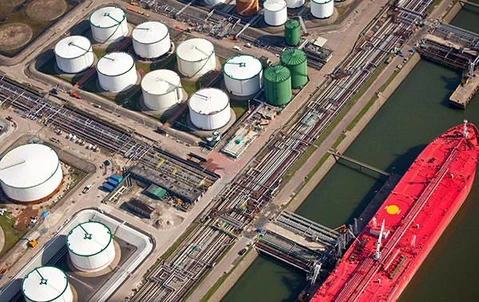
Pro3® chemical is injected into pipeline to remove H2S as ship is loaded
The oil in question came from Bryan Mound, the largest SPR site which is located near Freeport, TX. Hydrogen sulfide content was 5,000 ppm, 250 times higher than the government standard of 20 ppm, which pushed the crude buyers to find costly solutions to treat the oil unexpectedly. Even though H2S removal is a common practice that can effectively reduce levels back to compliance, the prospect of tainted crude in the reserve has unnecessarily complicated the future sales of U.S. SPR oil due to lack of transparency in the quality of the crude oil at the time of sale, and poor planning on buy-sell contracts. One of the best alternatives to control the presence of hydrogen sulfide is through the injection of chemicals called H2S scavengers into the pipeline as oil is transported or circulated, eliminating the toxicity by converting H2S into a non-hazardous compound. Proper management of this important asset is essential in order to secure maximized value for the 695 million barrels of oil currently in storage, which were purchased with hard earned tax payer dollars and will be sold in the near future.
The SPR has been mandated to sell almost 260 million barrels of oil by fiscal year 2027, as stated by the Energy Information Administration. Toxicity of crude in Bryan Mound as well as other sites will continue to increase overtime due to the presence of bacteria and natural decay of organic matter, including oil. This becomes a concern when the oil is stored for extended periods, as is the case of the SPR. Revenue and sale price of this resource that was acquired with taxpayer dollars depends on market conditions, and also on hydrogen sulfide content and resulting oil quality. Transparency regarding attributes of the crude established in buy-sell contracts is also essential in order to avoid unexpected costs of treatment such as those incurred by refiners in the fall of 2018. While commercial ventures retain oil in the short term, the SPR’s situation is unique — it was designed for oil to be stored rather than to be sold in small volumes needing cleaning/processing. It is critical for the SPR to provide buyers with clear information regarding the attributes of the crude and how to treat it in order for the government to receive optimal value for this asset that can quickly depreciate if the sale process continues to be mismanaged.
Toxic crude with high levels of hydrogen sulfide is nothing new, and the SPR can find solutions to this manageable problem at their different sites, keeping buyers informed. This type of oil is observed from the wellhead as it comes out of the ground and is monitored during transportation through pipelines, storage facilities, and when it reaches refineries. Commercial, environmental, and health & safety requirements dictate the timing in which the oil is treated to remove impurities such as hydrogen sulfide. Crude oil terminals throughout the Gulf Coast process millions of barrels of high H2S crude every month, which is why there is a need for technologies to treat it. Currently, the most efficient option is Q2 Technologies Pro3® process, where H2S is removed from oil through the injection of a refiner friendly chemical into pipelines as oil is transported. It is used to treat several million barrels of high H2S crude every month across North America. This process completely eliminates H2S and yields a water soluble, non-hazardous byproduct.
Q2 Technologies has specialized in providing solutions to remove H2S from crude oil and natural gas for over 30 years. As innovators in the field, they were the first to develop triazine H2S scavengers used worldwide, and are now leading the industry with next generation technology. The SPR has previously treated high H2S oil with conventional triazine based chemistries, but this could shy away refining customers given the processing problems attributed to this old chemistry. The new Pro3® chemistry is an important contribution to the industry as it addresses hydrogen sulfide issues as well as the operational concerns triggered by traditional triazine scavengers. Until 2014, DynMcDermott was the federal contractor in charge of operating the SPR, and Q2 Technologies was elected as the subcontractor responsible for H2S removal technologies. Q2 Technologies has helped American producers export billions of dollars worth of crude oil by removing hydrogen sulfide. Through industry collaboration America can continue to pave the way towards energy independence, leading the way in the energy economy, while maximizing the value of such an important asset for the economy of the United States.
1 Ngai, Catherine. “Exxon and others say US government sold toxic crude oil”. Bloomberg. April 12, 2019.