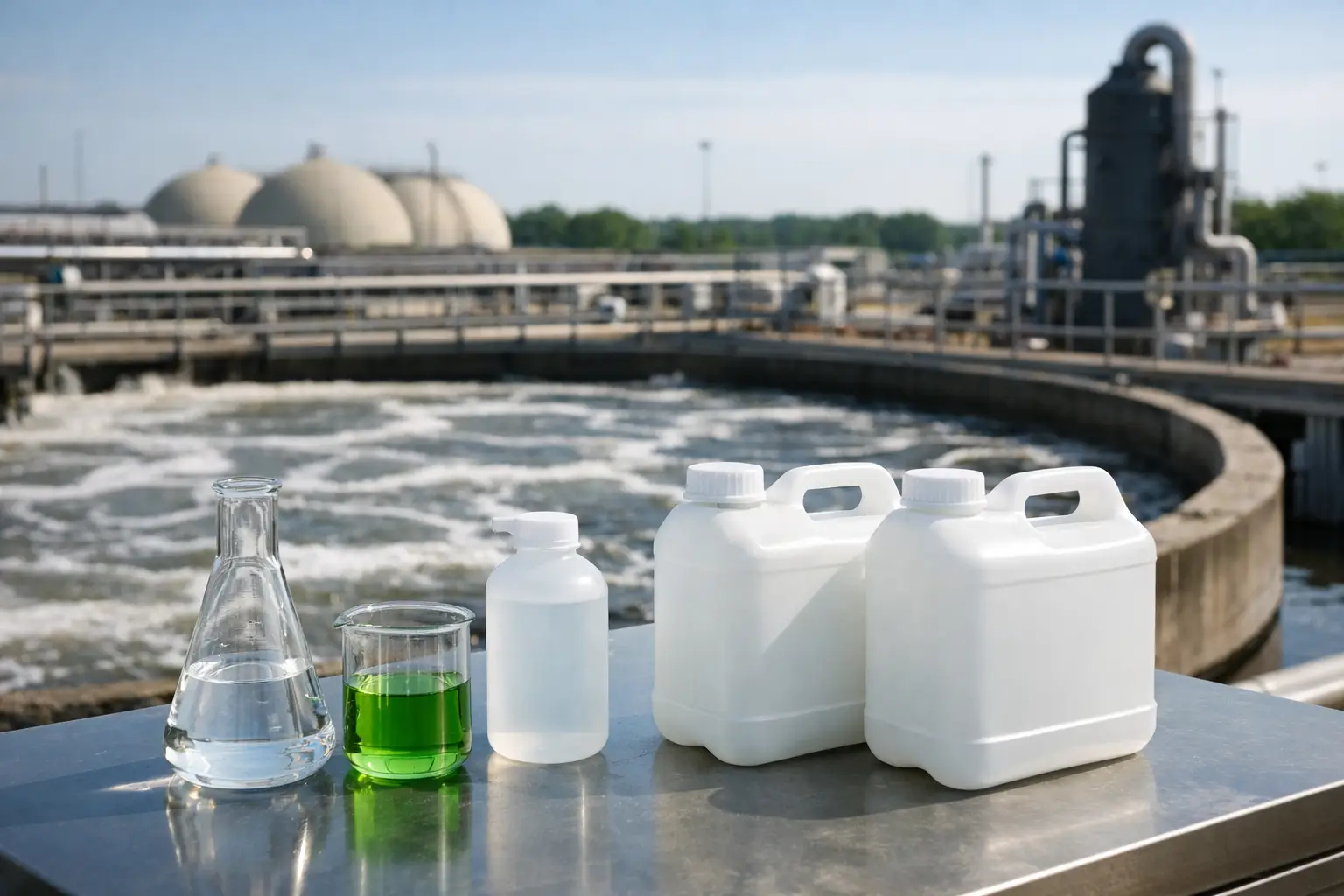
Continuous chemical treatment in produced water systems is expensive and operationally burdensome. Many operators rely on ongoing oxidizer feed programs such as hydrogen peroxide to manage H2S in produced water. While peroxide provides an initial sulfide shock, maintaining control often requires constant reapplication.


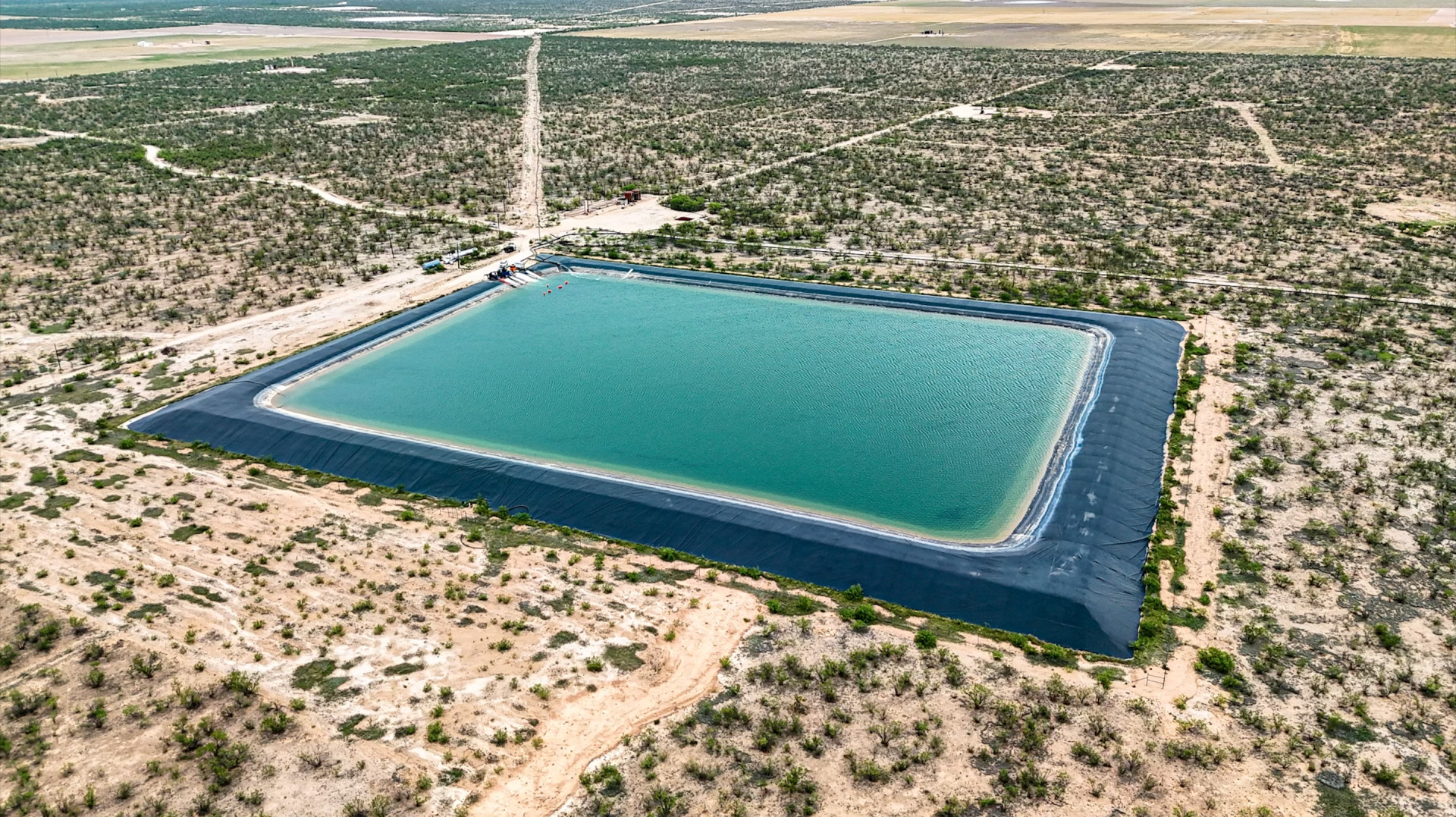
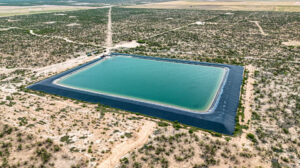
We get it. H2S keeps forming in open produced water pits. Its a constant cycle of shocking the pit for H2S. What if there was a way to limit the number of times one would need to treat an open produced water pit? 


What if continuous injection could be eliminated completely? The answer may surprise you!

Breaking the Oxidizer Dependency

The approach offers major advantages over continuous oxidizer dependency:

  • Reduced chemical consumption
  • Lower operating cost over time
  • Stable ORP maintenance without aggressive reactivity
  • Simplified treatment logistics

This treatment approach minimizes the need for continuous oxidizer injection while maintaining effective system control.
By reducing overall chemical consumption, operating costs decrease over time.
The result is a more stable ORP environment with simpler and more reliable treatment logistics.
Q2 Technologies developed Pro3® SW as a novel approach to produced water treatment volumes where stability and long-term maintenance are the priority.

The Pro3 SW treatment philosophy is distinct:

  1. An initial treatment with a common biocide (peroxide) raises Oxidation-Reduction Potential (ORP) rapidly to desired levels.
  2. A single follow-up treatment of Pro3® SW maintains optimized ORP and sulfide control indefinitely, provided produced water volumes remain unchanged.

Consider Optimized Redox Range for Produced Water
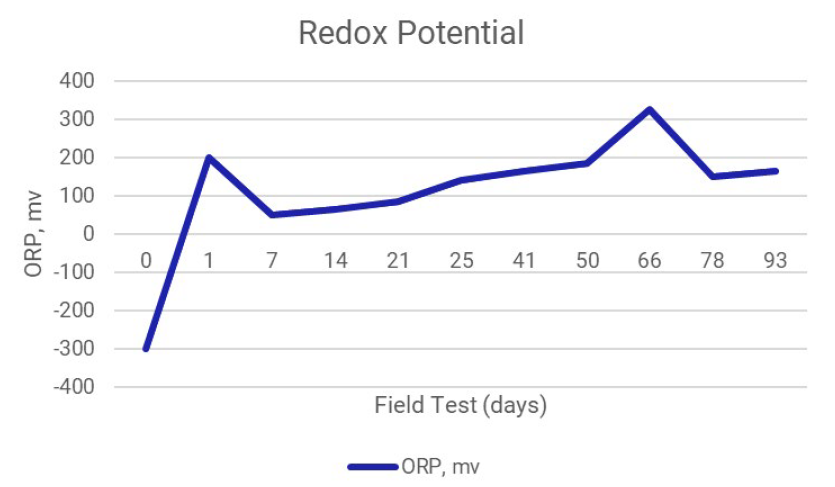
Redox Potential assesses the presence of oxidizing or reducing agents in a given volume.
ORP Target: for H2S, positive 50 –150 is ideal.
Higher figures represent that an oxidizer is still present and working.

In the above example, the produced water open pit was initially shocked with a common biocide. Under normal conditions, one would expect an ORP spike, same as shown, followed by a crash well below zero, where another biocide shock would be required. 

However, in this scenario, once initially treated with a common biocide, Pro3® SW, the ORP remained positive, even trending to the ideal 50 – 150 range. 

A New Way to Treat Produced Water

Pro3® SW is not a rapid scavenger. It is engineered as a maintenance chemistry that sustains desired sulfide control once initial system conditions are established.

Produced water operators benefit from this model in:

  • Disposal well systems
  • Central water handling facilities
  • High-volume produced water networks
  • Applications where volumes remain consistent

Q2 Technologies: Expert in H2S Treatment Solutions

Q2 Technologies leads the industry in engineered produced water chemical treatment. Our proprietary ProSeries chemistries are manufactured with strict quality control and applied through field-validated treatment programs.

Pro3® SW represents a shift from reactive chemical feeding to engineered long-term sulfide management, delivering predictable hydrogen sulfide control without the cost and aggressiveness of continuous oxidizing biocides.

Let's Start a Conversation...

If you want to learn more about H2S removal or other innovative H2S removal solutions from a variety of streams including crude oil, natural gas, other hydrocarbon liquids, or produced water, we would welcome the opportunity to speak to you about your asset or application. Click here to reach out to us.
Ready to fix the H2S problem in your open pit?

We would welcome an opportunity to connect.

Continuous chemical treatment in produced water systems is expensive and operationally burdensome. Many operators rely on ongoing oxidizer feed programs such as hydrogen peroxide to manage H2S in produced water. While peroxide provides an initial sulfide shock, maintaining control often requires constant reapplication.


We get it. H2S keeps forming in open produced water pits. Its a constant cycle of shocking the pit for H2S. What if there was a way to limit the number of times one would need to treat an open produced water pit? 


What if continuous injection could be eliminated completely? The answer may surprise you!

Breaking the Oxidizer Dependency

The approach offers major advantages over continuous oxidizer dependency:

  • Reduced chemical consumption
  • Lower operating cost over time
  • Stable ORP maintenance without aggressive reactivity
  • Simplified treatment logistics

This treatment approach minimizes the need for continuous oxidizer injection while maintaining effective system control.
By reducing overall chemical consumption, operating costs decrease over time.
The result is a more stable ORP environment with simpler and more reliable treatment logistics.

Q2 Technologies developed Pro3® SW as a novel approach to produced water treatment volumes where stability and long-term maintenance are the priority.

The Pro3 SW treatment philosophy is distinct:

  1. An initial treatment with a common biocide (peroxide) raises Oxidation-Reduction Potential (ORP) rapidly to desired levels.
  2. A single follow-up treatment of Pro3® SW maintains optimized ORP and sulfide control indefinitely, provided produced water volumes remain unchanged.

Consider Optimized Redox Range for Produced Water

Redox Potential assesses the presence of oxidizing or reducing agents in a given volume.
ORP Target: for H2S, positive 50 –150 is ideal.
Higher figures represent that an oxidizer is still present and working.

In the above example, the produced water open pit was initially shocked with a common biocide. Under normal conditions, one would expect an ORP spike, same as shown, followed by a crash well below zero, where another biocide shock would be required. 

However, in this scenario, once initially treated with a common biocide, Pro3® SW, the ORP remained positive, even trending to the ideal 50 – 150 range. 

A New Way to Treat Produced Water

Pro3® SW is not a rapid scavenger. It is engineered as a maintenance chemistry that sustains desired sulfide control once initial system conditions are established.

Produced water operators benefit from this model in:

  • Disposal well systems
  • Central water handling facilities
  • High-volume produced water networks
  • Applications where volumes remain consistent

Q2 Technologies: Expert in H2S Treatment Solutions

Q2 Technologies leads the industry in engineered produced water chemical treatment. Our proprietary ProSeries chemistries are manufactured with strict quality control and applied through field-validated treatment programs.

Pro3® SW represents a shift from reactive chemical feeding to engineered long-term sulfide management, delivering predictable hydrogen sulfide control without the cost and aggressiveness of continuous oxidizing biocides.

Let's Start a Conversation...

If you want to learn more about H2S removal or other innovative H2S removal solutions from a variety of streams including crude oil, natural gas, other hydrocarbon liquids, or produced water, we would welcome the opportunity to speak to you about your asset or application. Click here to reach out to us.

Ready to fix the H2S problem in your open pit?

We would welcome an opportunity to connect.

When introduced into a stream afflicted with H2S, the hemiformal decomposes to release formaldehyde, which then reacts with hydrogen sulfide to form stable, non-volatile byproducts such as thiomethylene glycol.  The reaction is typically fast and efficient, particularly in aqueous or mixed-phase environments. Unlike some traditional scavengers, hemiformal can maintain activity across a broad pH range and is less likely to generate problematic solids. When considering if hemiformal is the right product, certain operating conditions are reviewed, such as pH and temperature.

Heading 1

When introduced into a stream afflicted with H2S, the hemiformal decomposes to release formaldehyde, which then reacts with hydrogen sulfide to form stable, non-volatile byproducts such as thiomethylene glycol.  The reaction is typically fast and efficient, particularly in aqueous or mixed-phase environments. Unlike some traditional scavengers, hemiformal can maintain activity across a broad pH range and is less likely to generate problematic solids. When considering if hemiformal is the right product, certain operating conditions are reviewed, such as pH and temperature.

Heading 2

When introduced into a stream afflicted with H2S, the hemiformal decomposes to release formaldehyde, which then reacts with hydrogen sulfide to form stable, non-volatile byproducts such as thiomethylene glycol.  The reaction is typically fast and efficient, particularly in aqueous or mixed-phase environments. Unlike some traditional scavengers, hemiformal can maintain activity across a broad pH range and is less likely to generate problematic solids. When considering if hemiformal is the right product, certain operating conditions are reviewed, such as pH and temperature.

Heading 3

Heading 4

When introduced into a stream afflicted with H2S, the hemiformal decomposes to release formaldehyde, which then reacts with hydrogen sulfide to form stable, non-volatile byproducts such as thiomethylene glycol.  The reaction is typically fast and efficient, particularly in aqueous or mixed-phase environments. Unlike some traditional scavengers, hemiformal can maintain activity across a broad pH range and is less likely to generate problematic solids. When considering if hemiformal is the right product, certain operating conditions are reviewed, such as pH and temperature. 

Key Benefits:

  • Controlled formaldehyde release 
  • Lower vapor pressure and improved safety profile 
  • Broad applicability across liquid and gas-phase systems 
  • Reduced scaling in sour water stripping and other high-temp operations 
  • Hemiformal can make the scavenger safe for transport as it is a very stable compound 

Heading 5

Hemiformal is used in a variety of upstream and midstream applications, including: 

  • Gas sweetening systems 
  • Produced water treatment 
  • Crude oil storage and transport 
  • Sour water stripper overheads 
  • Temporary H2S mitigation during maintenance or turnaround

Its adaptability makes it especially useful in operations where system conditions fluctuate or where traditional triazine-based products may underperform. 

Heading 6

While hemiformal offers many advantages, it is not a one-size-fits-all solution. The rate of formaldehyde release can vary depending on formulation and environmental conditions. Additionally, while safer than raw formaldehyde, hemiformal must still be handled with care and appropriate PPE. 

For optimal results, formulation expertise and application-specific customization are key—something we at Q2 Technologies excel at delivering. 

Related Blogs

Product Spotlight: Pro3® SW - Long-Term Maintenance Chemistry for Produced Water Volumes

FAQs

  1. Why is selective sulfur and oxygenate removal important for NGLs?

    Selective sulfur and oxygenate removal is increasingly important as pipeline specifications, end-use requirements, and petrochemical standards continue to tighten. Sulfur- and oxygenate-related contaminants can limit marketability, cause off-spec product issues, and create downstream processing challenges. A selective approach allows operators to meet these stricter requirements without over-treating or adding unnecessary operational complexity.

  2. How is this solution different from traditional amine-based treatment systems?

    Unlike traditional amine-based systems, which require significant equipment, continuous monitoring, and specialized operational expertise, this new technology is designed as a single-pass treatment solution. It delivers targeted sulfur and oxygenate removal while eliminating unnecessary complexity, reducing manpower needs, and simplifying operations — making it more practical for real-world field applications.

  3. What market challenges led Q2 Technologies to develop this new NGL treatment solution?

    Q2 Technologies developed this new NGL treatment solution in response to tightening sulfur- and oxygenate-related scrutiny across the liquid hydrocarbon market. Pipeline contracts, petrochemical feedstock requirements, and end-use specifications have become more restrictive, while traditional treatment options have struggled to deliver the level of selectivity, efficiency, and operational practicality operators now require. Recognizing this gap, Q2 Technologies pursued a more targeted, scalable solution that could address evolving market demands without adding unnecessary complexity or operational burden.

  4. How does this technology support pipeline and end-use specification compliance?

    This technology supports pipeline and end-use specification compliance by selectively removing sulfur species and oxygenates that commonly drive off-spec conditions in NGL streams. Its targeted, single-pass treatment approach enables operators to meet increasingly stringent quality requirements without over-treating valuable hydrocarbons or relying on complex, manpower-intensive systems. By delivering consistent contaminant control, the solution helps reduce the risk of rejections, penalties, and downstream processing issues, improving reliability across transportation and end-use applications.

Related Articles