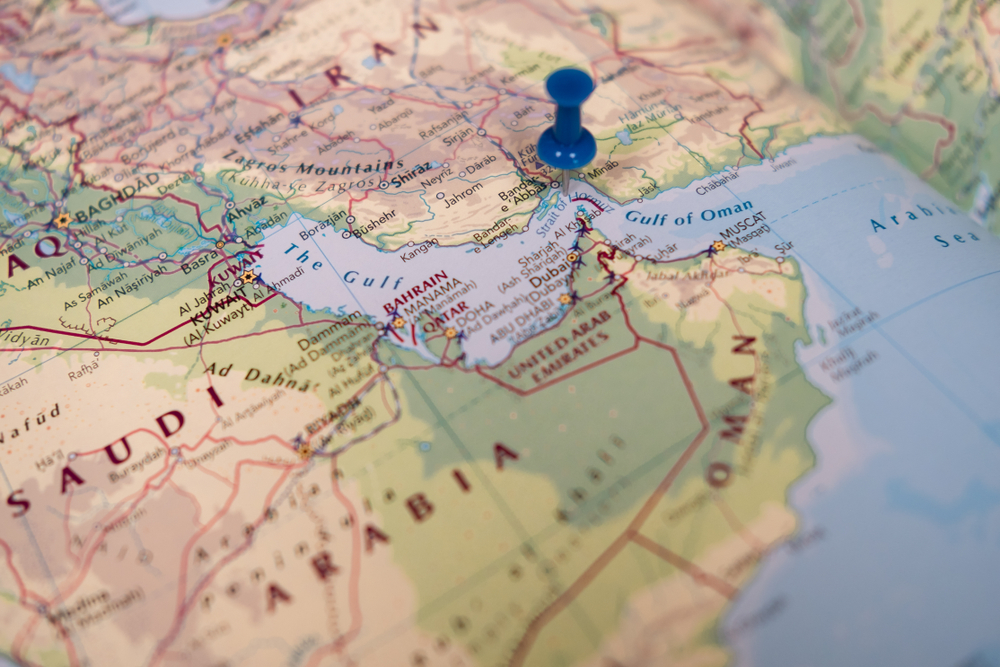


Start with geography. Roughly one-fifth of the world’s petroleum liquids trade moves through the Strait of Hormuz, and even partial disruption forces traders to reprice barrels on logistics risk, not just refinery value. In 2025, Middle East exports through Hormuz were cited around 14.5 million bbl/d, overwhelmingly flowing to Asia. That matters because many of those barrels are sour – the workhorse feedstock for complex refineries that run high-sulfur crude and turn it into diesel, jet, and petrochemical feedstocks.
The sour-crude market is already “tight by design”
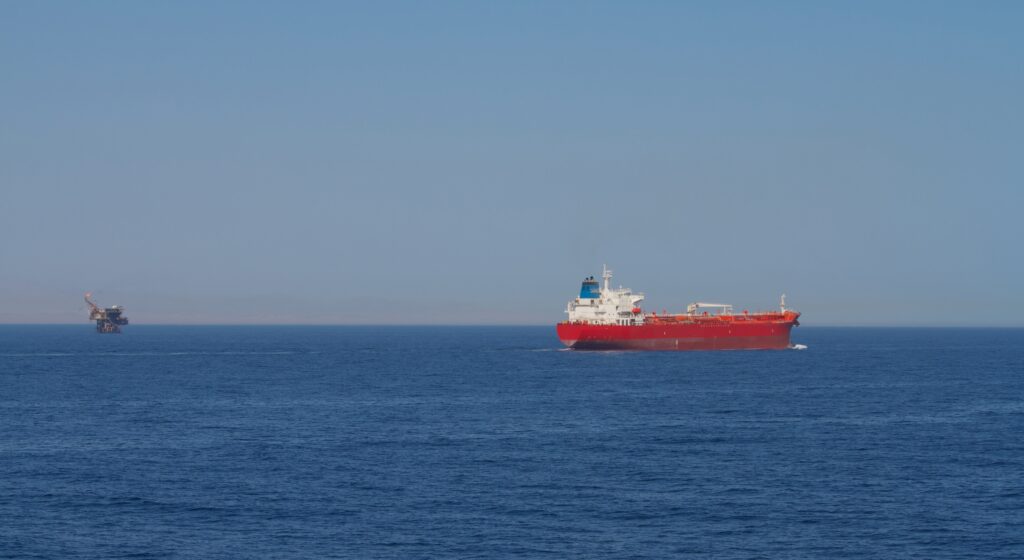
Sour crude pricing has been structurally supported by OPEC+ policy and refining configuration. The U.S. EIA documented how OPEC+ cuts constrained medium sour and heavy sour availability and even flipped the usual relationship so some sour benchmarks strengthened versus light sweet. Argus similarly flagged tightening medium sour supply as cuts deepened while Gulf refinery expansions increased local crude burn, leaving fewer export barrels. In plain terms: the market has less spare “dirty barrel” flexibility than it used to, so war risk hits sour harder than headline Brent suggests.
Why a Gulf war hits sour differentials, not just flat price
If Iran is seriously impaired – export terminals, shipping insurance, or simply buyer risk – the immediate loss is not only volume, but quality. Iran exports were cited around 1.6 million bbl/d, mainly to China. Those are largely medium/heavy sour grades that fit Asian refinery slates. Replacing them with lighter sweet barrels can raise refinery feedstock costs because refiners must buy more crude (or blend) to make the same diesel/jet yields, while also straining desulfurization units.
Will “Russian ghost oil” come back?
It never really left. Russia’s shadow fleet has been a persistent sanctions-evading channel, and Western authorities keep expanding enforcement – recent seizures and new sanctions underscore that the trade is active, not hypothetical. The more meaningful question is where it clears. Russia has routed the bulk of exports toward Asia, with indications showing that a very large share goes to China and India. In a war-driven squeeze on Iranian barrels, Russian crude (often medium sour) is one of the few scalable substitutes – subject to freight, financing, and political risk.
If Iran is constrained, who does China buy from?
Public import data and analysis point to China leaning on Russia, Saudi Arabia, Iraq, and “Malaysia” (a frequent re-export/relabel node for sanctioned barrels). In 2024 data summaries, Russia led China’s suppliers, followed by Saudi and Iraq – both capable of delivering sour grades, though incremental volumes depend on OPEC+ policy and real spare capacity.
Bottom Line:
A Middle East war is a sour crude shock first – routing risk through Hormuz plus the loss (or toxic re-risking) of Iranian medium/heavy barrels tightens sour differentials, squeezes complex refiners, and increases the world’s dependence on sanctioned or sanction-adjacent flows to balance the barrel.
Periods of geopolitical instability do more than move benchmarks – they expose the structural vulnerabilities of the sour crude market. When medium and heavy high-sulfur barrels become constrained, discounted, sanctioned, or logistically impaired, refiners and producers face a compounded challenge: operational hazard, processing complexity, and price volatility occurring simultaneously.
Sour crude is not merely a pricing differential. It carries elevated H2S concentrations, mercaptans, and other sulfur-based contaminants that create measurable safety risk, corrosion exposure, regulatory scrutiny, and product quality challenges. In tight markets, those risks intensify as refiners are forced to optimize slates, stretch treating capacity, or process alternative grades with unfamiliar contaminant profiles.
At Q2 Technologies, our focus remains squarely on the treatment of H2S, mercaptans, and sulfur-based contaminants across crude oil and hydrocarbon streams. Understanding the macro environment is not academic – it is essential. When supply shifts from Iran to Russia, from OPEC producers to sanctioned barrels, or from long-haul marine logistics to alternative routes, the chemistry changes. Contaminant levels change. Risk exposure changes.
Clients require more than chemical solutions. They require partners who understand that sour crude is influenced as much by geopolitics and trade flows as by sulfur content and corrosion rates. The deadly nature of H2S is well understood in our industry. What is less often acknowledged is how quickly political disruption can magnify operational risk and compress decision timelines.
In volatile markets, preparedness is an advantage. Technical competence in sulfur mitigation must be paired with awareness of economic and geopolitical drivers shaping the barrel. That combination provides stability when the broader environment does not.