

The short answer: Delaware Basin gas is getting sourer because operators are drilling deeper into the basin’s most H2S-rich acreage, maturing wells tend to produce more H2S over time, and water handling can feed sulfate-reducing bacteria in the reservoir. Midstream companies are racing to add amine treating and acid gas injection (AGI) wells, but permits take years. In the gap, producers depend on well-designed H2S scavenger programs to keep gas moving at pipeline spec.
Q2 Technologies works on this problem every day. As a specialty chemical company focused on H2S and mercaptan treatment, and a long-standing CCQTA member that contributes, presents and provides expert testimony on sulfur reduction, Q2 sees where sour gas programs succeed and where they break down. Here is what is driving the trend, and what operators should do about it.
Why Delaware Basin Gas Is Sour, and Getting Sourer
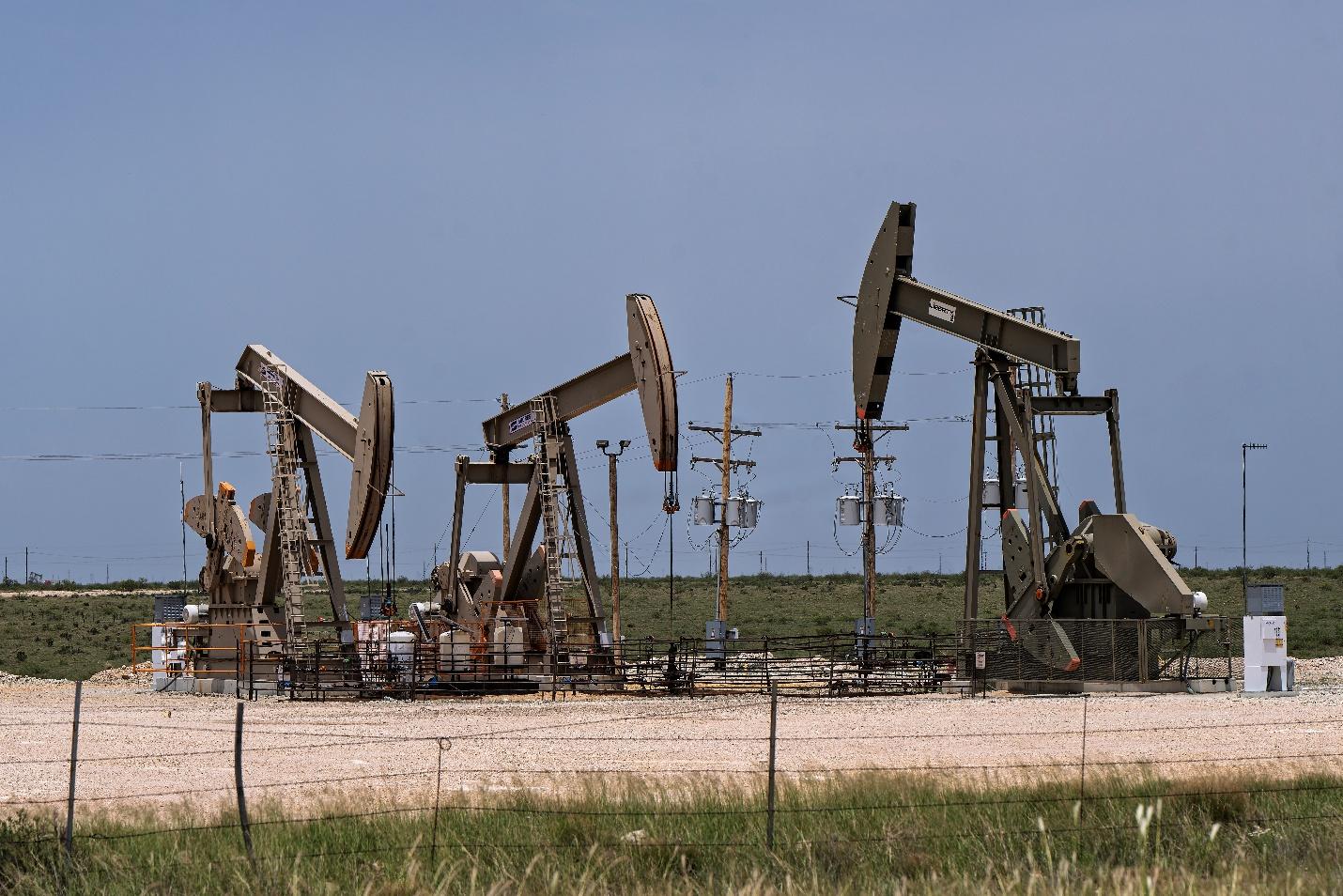
Some of the Permian’s most prolific oil rock, in the Delaware Basin and Central Platform, produces associated gas with very high H2S and CO2 (RBN Energy). The Northern Delaware in New Mexico is the epicenter, where oil-focused wells bring up large volumes of sour associated gas (RBN Energy).
Three forces push sourness higher over time:
- Maturing acreage. As Permian zones mature, H2S loading rises across older acreage (Streamline Innovations).
- Biogenic souring. Water flooding and hydraulic fracturing can introduce microbes and nutrients underground, and microbial growth can create significant H2S over time (GEO ExPro).
- Moving into sourer benches. Kinetik reported rising CO2 concentrations from Loving and Lea Counties and is expanding amine treating at its Pecos Bend facility in response (Kinetik Q3 2026).
The result: wells that started as easy treating jobs can drift out of spec within a few years.
The Midstream Race for Sour Gas Capacity
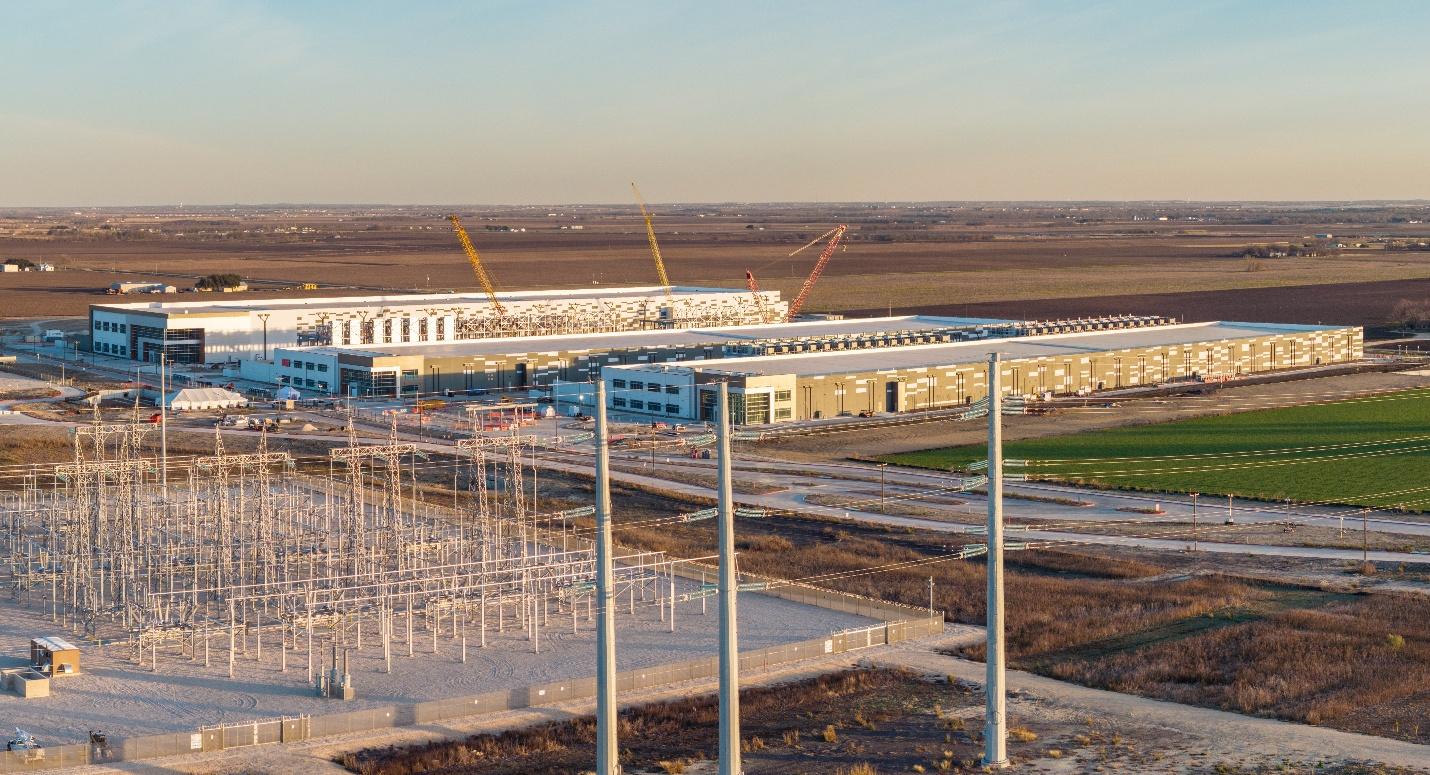
Many midstream pipelines require less than 4 ppm H2S and no more than 2% to 3% CO2 (RBN Energy). Meeting that spec at scale means centralized amine treating plus AGI wells, and 2026 has been a year of building both:
- Targa, already the Permian’s largest sour gas processor, agreed to buy Stakeholder Midstream for $1.25 billion (RBN Energy).
- MPLX is expanding its Delaware Basin sour gas plant to more than 400 MMcf/d of treating capacity by year end (MPLX Q1 2026).
- Delek Logistics began injecting at its first AGI well and completed its first sour gas compressor station during the third quarter (Delek Logistics 10-Q).
- Kinetik reached total depth on an AGI well and received acid gas compression equipment on site (Kinetik Q3 2026).
The bottleneck is the well, not the plant. Treating capacity can be added in quarters, but AGI wells take 12 to 24 months or more to permit, plus months to drill and commission (East Daley Analytics).
Where H2S Scavengers Fit
When H2S content is relatively low, roughly under 1,000 ppm, the typical treatment is a scavenger injected at the well pad. Amine units become more economical at higher levels but bring flaring limits and the need for AGI wells (RBN Energy). As pad density and H2S loading rise, some operators are consolidating into centralized treating (Streamline Innovations).
Scavengers still carry much of the load in the real world:
- Bridging the AGI gap while sour takeaway and injection capacity catch up.
- Polishing gas that leaves an amine unit just above spec.
- Treating side streams such as tank vapors, flash gas, fuel gas for compressors and produced water.
- Handling outliers, the individual wells or pads whose H2S spikes above the system average.
Cost pressure makes getting it right more urgent. Waha prices were negative for 118 of the first 131 days of 2026 (Oil & Gas Journal), so every dollar of chemical spend per Mcf is under scrutiny.
The Q2 Technologies Playbook for Rising H2S
In Q2’s experience, sour gas programs rarely fail because the chemistry is wrong. They fail because the program was designed for the well as it was, not the well as it is now. Q2 recommends five steps for Delaware Basin operators:
- Trend your H2S, don’t snapshot it. Sample on a regular schedule and track the curve. A rising trend is the earliest warning that a program is about to fall short.
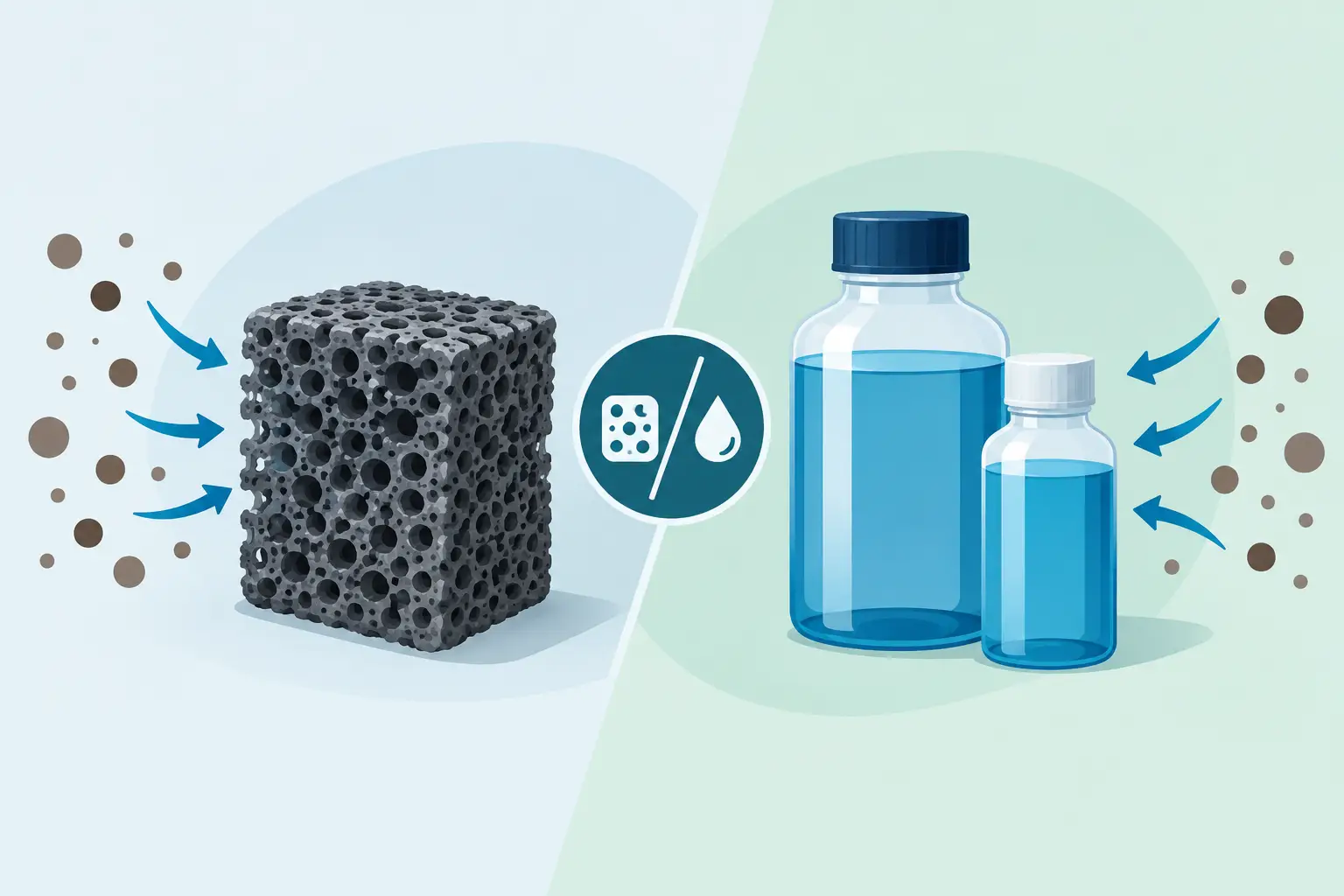
- Re-match chemistry to concentration and gas rate. A dose that worked at 200 ppm is not the right program at 800 ppm. Liquid scavengers, solid media and contact tower designs each have a sweet spot.
- Watch the byproducts. Overdosing triazine wastes chemical and can drop dithiazine solids in lines and vessels. Optimized dosing protects both budgets and equipment.
- Don’t forget mercaptans. Sour Delaware gas and liquids can carry mercaptans that triazine does not treat. Odor complaints and off-spec NGLs often trace back to this gap.
- Plan the bridge. If your midstream partner’s AGI well is 18 months away, design the scavenger program for 18 months of rising H2S, not today’s number.
Q2’s H2S and mercaptan scavengers are built for natural gas, crude, condensate and produced water, and its technical team designs programs around each operator’s stream. Is your sour gas program keeping pace with your wells? Talk to Q2 Technologies about a treatment review.
What to Watch Heading Into 2027
- AGI permits and startups. New wells from Delek, Kinetik and others will set how much sour gas the basin can absorb in 2027.
- Consolidation. East Daley expects more AGI-focused deals and longer sour take-or-pay contracts (East Daley Analytics).
- Gas-to-power demand. Data center load could turn the Permian from gas-constrained to gas-short, raising the value of every sour Mcf that can be treated (AOGR).
- January 22, 2027. Many OOOOb compliance deadlines land on this date, keeping flaring sour gas under pressure (J.J. Keller).
Sources
- RBN Energy: An update on sweetening high-H2S, high-CO2 associated gas in the Permian
- RBN Energy: Targa continues its sour-gas expansion with Stakeholder deal
- Streamline Innovations: Centralized vs decentralized H2S removal
- GEO ExPro: Reservoir souring investigation
- Kinetik Q3 2026 results
- MPLX Q1 2026 results
- Delek Logistics Q3 2026 Form 10-Q
- East Daley Analytics: Sour gas is a sweet opportunity for midstream
- Oil & Gas Journal: Permian gas pipeline debottlenecking
- AOGR: The Permian could need even more gas production
- J.J. Keller: EPA confirms oil and gas compliance extensions