



Hydrogen sulfide (H2S) in natural gas gathering systems is inherently variable. Unlike downstream transmission environments, gathering systems are influenced by well cycling, production swings, artificial lift changes, and commingled streams. The result is a constantly shifting H2S profile that complicates treatment and challenges consistency.
This variability introduces operational and economic pressure. Chemical programs designed for steady-state conditions often struggle to keep pace with rapid changes in inlet sulfur concentration. When H2S spikes occur, operators are forced to react quickly, often increasing chemical injection rates to avoid off-spec gas. When concentrations fall, those same injection rates become excessive, driving unnecessary cost.
Left unmanaged, variable H2S creates several recurring challenges:
- Inconsistent outlet sulfur levels and risk of off-spec gas
- Overfeeding of scavenger chemicals to compensate for uncertainty
- Increased operating expense tied to inefficient chemical usage
- Reduced confidence in system performance during transient conditions
Hybrid H2S Treatment: Why Catalyst Systems Are Replacing Over-Injection as the Smarter Fix
Triazine-based H2S scavengers remain a widely used solution in gathering systems due to their flexibility and ease of application. In stable conditions, they perform effectively and predictably. However, in intermittent flow environments, reaction efficiency can decline. Reduced contact time, phase separation issues, and slugging conditions all contribute to incomplete scavenging. The common response is over-injection, which addresses risk but erodes margins.
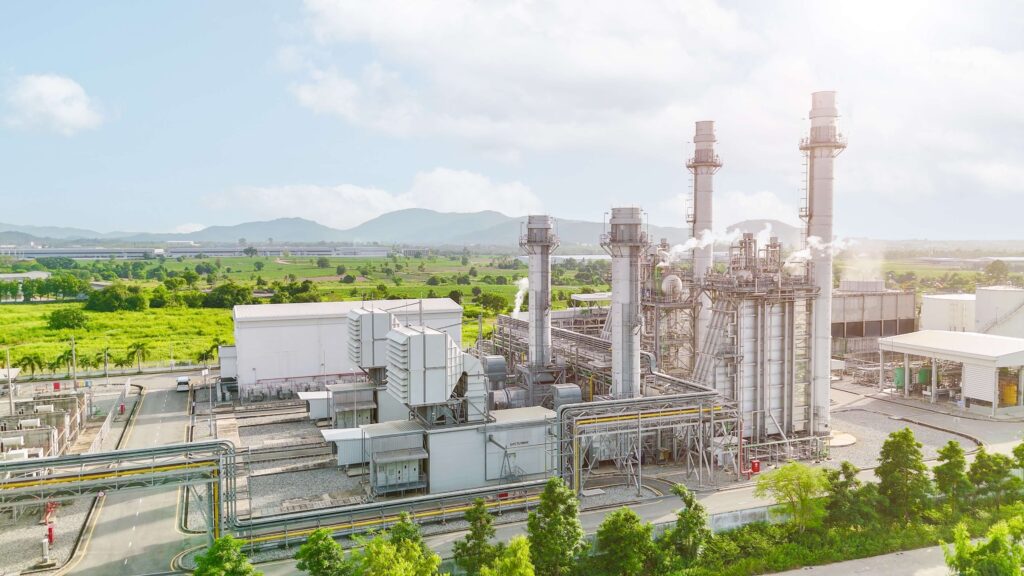
To address this, operators are increasingly turning to hybrid treatment strategies that combine chemical scavengers with fixed-bed catalyst systems. Mixed metal oxide catalyst units provide a consistent, passive removal mechanism that is not dependent on continuous liquid injection. Installed as skid-mounted systems, these units are typically configured in lead/lag arrangements to maintain uninterrupted operation.
Catalyst systems offer several advantages in variable environments:
- Ability to absorb and manage sudden H2S concentration spikes
- Stable performance across fluctuating flow rates
- Reduced reliance on continuous chemical injection
- Lower maintenance requirements compared to purely chemical systems
From Reactive to Controlled: How Integrated H2S Treatment Delivers Efficiency and Reliability
By removing the bulk H2S load through catalytic adsorption, these systems create a more stable baseline. Chemical scavengers can then be applied in a controlled manner to polish residual sulfur or respond to short-term upsets. This layered approach improves both efficiency and reliability.
Effective H2S management in gathering systems requires a disciplined approach:
- Continuous monitoring of sulfur variability across the system
- Designing treatment capacity around peak H2S exposure, not averages
- Maintaining consistent pipeline-quality gas specifications
- Minimizing downtime through robust system design and redundancy
Execution depends on integration. Injection strategies, vessel sizing, residence time, and analytical measurement must all align with actual field conditions. Without this coordination, treatment programs become reactive rather than controlled.
Q2 Technologies: Engineered H2S Solutions Built for Real-World Gathering System Conditions
Q2 Technologies applies an engineered approach to these challenges. Proprietary triazine blends are manufactured in Odessa, Texas, with adjustable concentrations and additive packages tailored to specific gathering system conditions. For assets experiencing intermittent flow or wide sulfur swings, mixed metal oxide catalyst systems are designed to match throughput, pressure, and contaminant load.
Ongoing development supports this approach. Through collaboration with Rice University in Houston, Texas, Q2 Technologies continues to advance catalyst performance, focusing on capacity, longevity, and reaction efficiency under real operating conditions.

Hear it from an Operator
Field performance reflects the value of this integrated strategy. As one operator stated:
“We used to chase H2S with chemical adjustments every time the wells cycled. After installing the catalyst system, the swings stopped driving our treatment costs. We stabilized the system and reduced overall spend.”
Maintain sulfur compliance regardless of variability while controlling total cost of operation. In gathering systems, where conditions change daily, success depends on solutions designed to perform under those realities rather than ideal conditions.

Let's Start a Conversation...
If you want to learn more about H2S removal or other innovative H2S removal solutions from a variety of streams including crude oil, natural gas, other hydrocarbon liquids, or produced water, we would welcome the opportunity to speak to you about your asset or application. Click here to reach out to us.