

Why Fixed Detection Is a Different Job Than Personal Monitoring
A personal H2S monitor protects the individual wearing it, but a fixed gas detection system is designed to protect an entire zone, catching a leak or release before anyone even walks into the affected area, which means fixed system design is fundamentally about anticipating where H2S will accumulate rather than reacting to where a worker happens to be standing.
Placing Detectors Where H2S Actually Accumulates
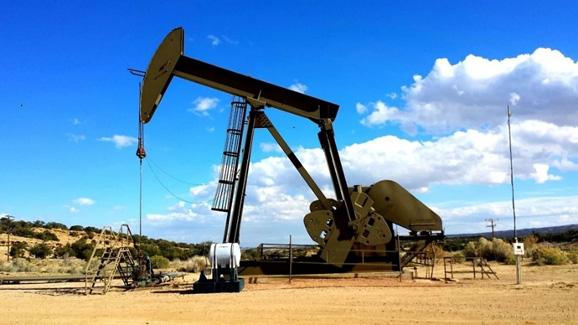
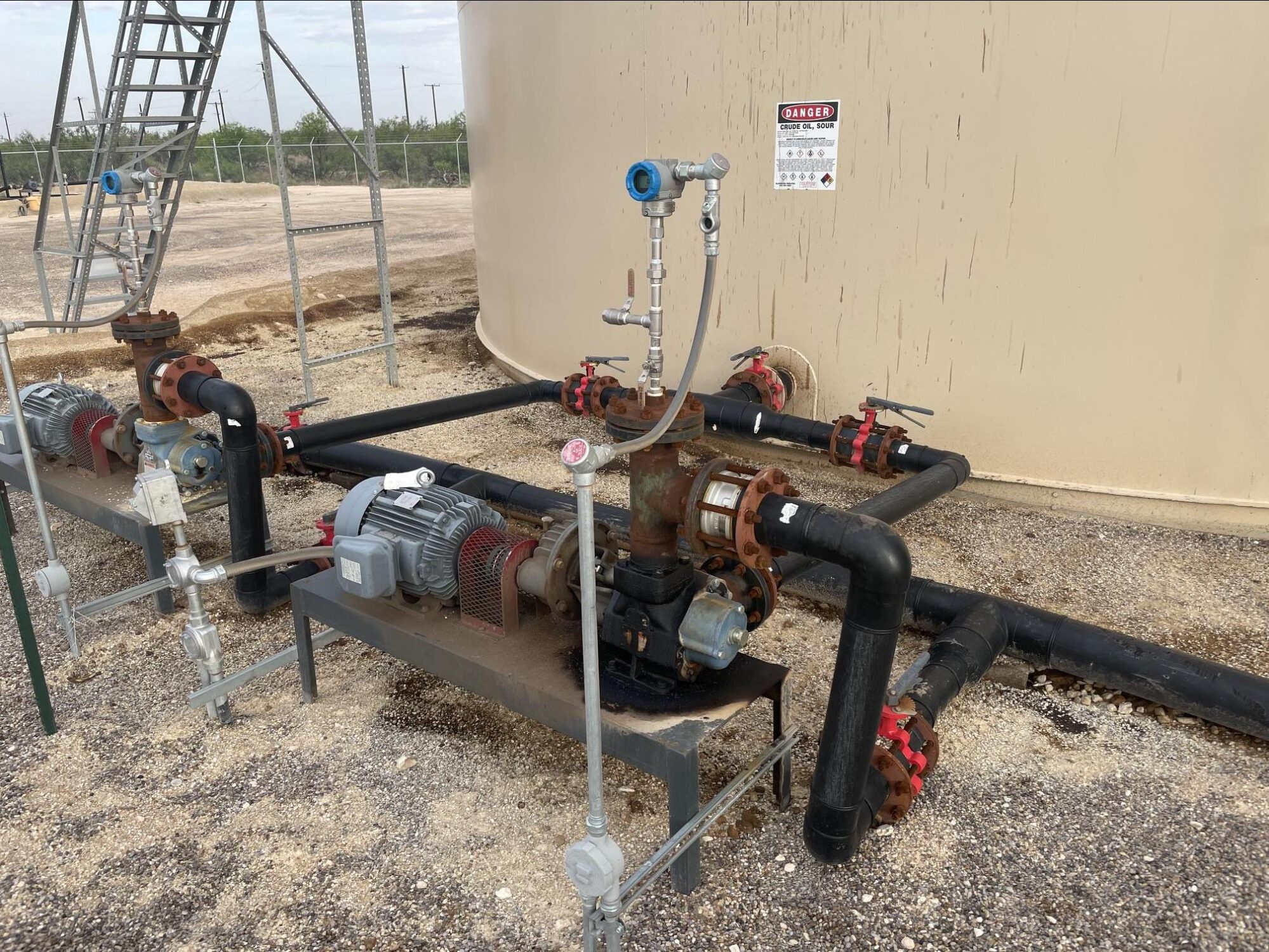
Because H2S is heavier than air, fixed detectors are typically mounted low, often 300 to 500 millimeters above grade, rather than at breathing height or ceiling level, and they are placed at the source of likely release points such as wellheads, separators, tank hatches, and amine or scavenger treatment skids rather than scattered evenly across a facility. Detector placement guidance in standards like API RP 505 for hazardous area classification, combined with a site-specific dispersion assessment, drives a layout based on where a leak would actually go, not just where it would be convenient to mount a sensor.
Setting Alarm Levels That Match Real Exposure Limits
Alarm setpoints are typically tied to recognized occupational exposure limits rather than picked arbitrarily, with a common configuration using a low alarm around 10 ppm to alert personnel and a high alarm around 15 to 20 ppm to trigger evacuation or automated response, informed by OSHA’s 20 ppm ceiling limit and NIOSH’s more conservative recommended exposure level. Facilities handling higher background H2S levels, such as near sour gas treatment equipment, may configure detectors with a wider range and different setpoints than a facility where any detectable H2S is considered abnormal.
Wiring Detection Into Alarms and Shutdown Logic
A fixed H2S detector is only useful if its signal goes somewhere, and most systems wire detectors into a control system or safety PLC with separate outputs for warning, alarm, and fault conditions, so a sensor malfunction is distinguished from an actual gas event rather than triggering the same response. At higher-risk facilities, a confirmed high alarm can be configured to trigger an automated emergency shutdown, closing in wells or de-energizing equipment, in addition to sounding audible and visual alarms for personnel in the area.
Hazardous Area Classification and Equipment Certification
H2S is classified as one of the higher-hazard gas groups under IEC and ATEX hazardous area systems, which means fixed detectors installed in a classified zone at a well pad or facility need certification appropriate to that zone, not just a detector that happens to measure H2S accurately. Getting area classification and equipment certification wrong is a common gap in detection system design, since a perfectly accurate sensor in the wrong enclosure rating still creates an ignition risk in a hazardous atmosphere.
Maintaining the System So Alarms Stay Trustworthy
A fixed detection system needs the same calibration discipline as a personal monitor, since electrochemical sensors drift over time and a detector that has silently stopped responding correctly provides false confidence rather than protection. A documented bump testing and calibration schedule, along with periodic review of detector placement as facility layout or process conditions change, keeps a fixed system’s alarms meaningful rather than becoming background noise that personnel learn to ignore.
Q2 Technologies brings more than 20 years of hands-on H2S and mercaptan treatment experience to facilities and well pads across the Permian and beyond, and that field experience extends to helping operators think through monitoring alongside chemical treatment. Our satellite telemetry tank monitoring solutions give operators real-time visibility into treatment performance, complementing the fixed and personal gas detection systems that keep personnel safe. Visit q2technologies.com to learn more about our full range of H2S solutions, read more on our blog at q2technologies.com/blogs, or check our FAQ page at q2technologies.com/faqs for answers to common treatment and safety questions.
Q2 Technologies is a privately and independently owned specialty chemical company with more than 25 years of experience serving the energy industry. That independence allows the company to make decisions based on customer needs rather than outside shareholders, resulting in faster response times and more tailored treatment programs. Q2’s longevity in the field reflects a track record of reliable performance across a wide range of operating environments. Visit Q2Technologies.com to learn more about our full range of treatment solutions.