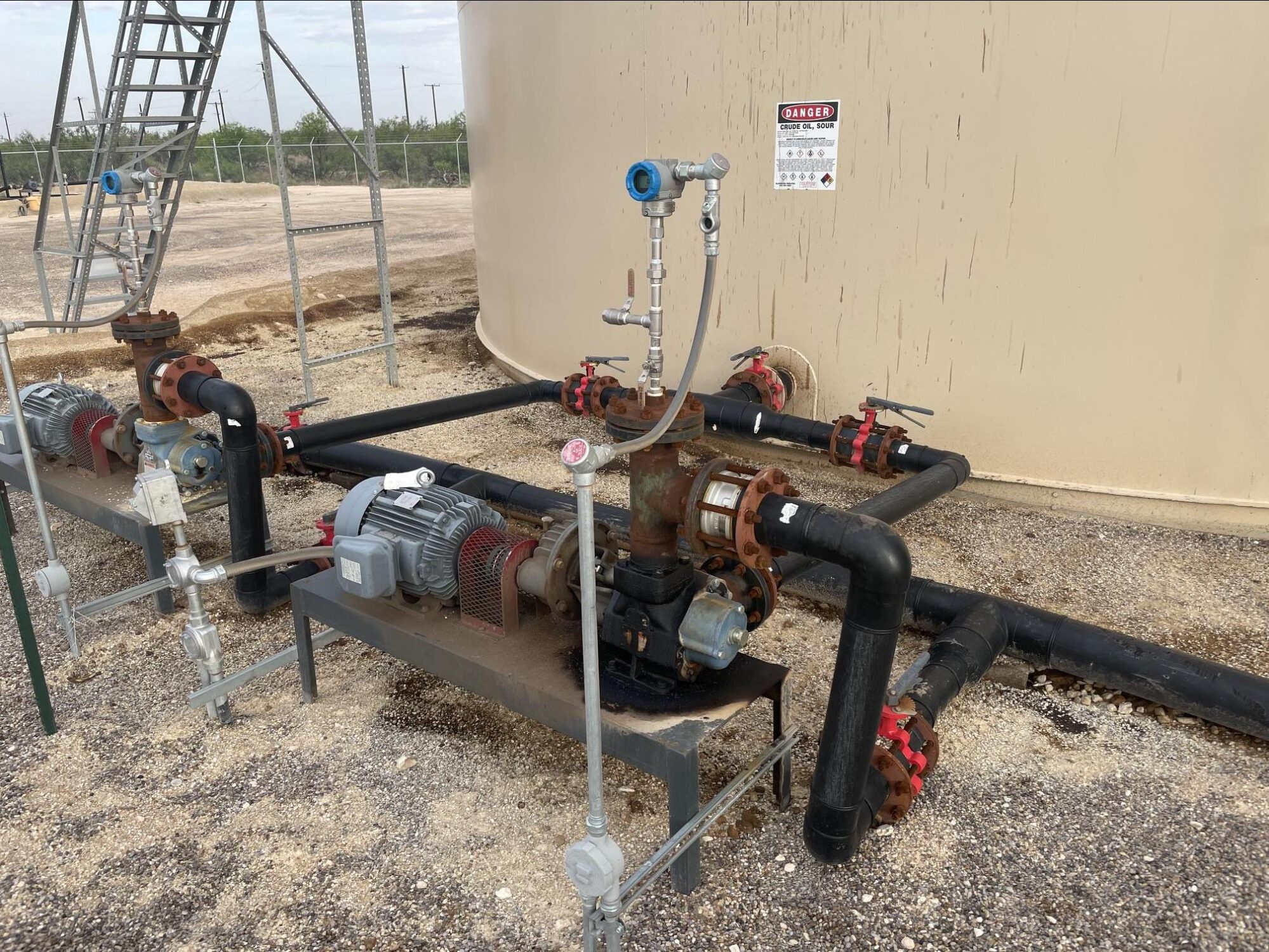



A mercaptan odor complaint can begin with a trace-level release, even when the primary process appears to be under control. Understanding what causes mercaptan odor requires looking beyond the smell itself. The issue may originate in the feed stream, form during biological or chemical conversion, or become noticeable when operating conditions release dissolved sulfur compounds into the air.
Mercaptans, also called thiols, are organic sulfur compounds containing a sulfhydryl functional group, generally represented as R-SH. They occur naturally in petroleum, natural gas, condensate, crude oil, wastewater, landfill gas, and biogas. Their odors are often described as skunky, cabbage-like, garlic-like, or similar to rotten vegetables. The human nose can detect certain mercaptans at extremely low concentrations, which makes odor control a process-performance issue long before concentrations become significant by bulk measurement.
What Causes Mercaptan Odor in Process Operations?
Mercaptan odor occurs when volatile mercaptan compounds are present and have a pathway from a liquid or gas stream to the surrounding air. In industrial settings, that typically means one or more of three conditions exists: mercaptans enter with the feed, they are generated within the system, or process changes increase their release from the stream.
The source matters because not all mercaptans behave the same way. Methyl mercaptan is highly volatile and can create an intense odor at very low concentrations. Ethyl mercaptan, propyl mercaptan, butyl mercaptan, and heavier thiols may partition differently between hydrocarbon, water, and vapor phases. A treatment program that performs well for one sulfur species or operating condition may not adequately control another.
Mercaptans are also distinct from hydrogen sulfide. Both are reduced sulfur compounds and may be present in the same system, but they require separate evaluation. H2S scavenger performance does not automatically predict mercaptan treatment performance, particularly where organic-phase solubility, molecular structure, contact time, and treatment chemistry affect removal.
Common Sources of Mercaptans
Naturally occurring sulfur in hydrocarbons
Crude oil, associated gas, natural gas liquids, condensate, and refined intermediate streams can contain native mercaptans. The concentration can change materially between wells, production zones, gathering systems, and delivered batches. A facility may experience odor events after a feed change even when its equipment and chemical injection rates have not changed.
In gas processing, mercaptans can remain after partial H2S removal or can break through treatment systems designed primarily around acid gas loading. In liquids, mercaptans may concentrate in certain hydrocarbon cuts, accumulate in tank vapor spaces, or release during heating, blending, flashing, and loading.
Biological formation in wastewater, landfill gas, and biogas
Anaerobic environments provide conditions for sulfur-reducing and sulfur-transforming microorganisms to produce odorous sulfur compounds. Wastewater collection systems, treatment basins, digesters, sludge handling systems, landfill gas operations, and organic waste processing facilities can all generate mercaptans where sulfur-containing organics degrade under low-oxygen conditions.
The result depends on feed composition, pH, temperature, hydraulic retention time, oxygen intrusion, and microbial population. A wastewater system with recurring methyl mercaptan odor may be responding to a process upset, stagnant zone, increased organic loading, or a change in the sulfur content of incoming waste. Treating the odor at the vent may be necessary, but identifying the generation point is often the more durable operational fix.
Refining, processing, and chemical conversion
Mercaptans can persist or form during processing when sulfur-bearing feedstocks are heated, separated, reacted, or stored. Thermal treatment can liberate volatile sulfur compounds from heavier materials. Upsets in sweetening, stripping, regeneration, or sulfur-removal systems may also allow mercaptans to pass downstream.
In some cases, odor appears not because total mercaptan loading increased, but because the process altered how the compound is distributed. A component that was largely retained in a liquid can become an air-emissions concern after a pressure reduction, temperature increase, or agitation event.
Operating Conditions That Make Odor More Noticeable
Mercaptan concentration is only part of the problem. Vapor-liquid equilibrium and mass transfer determine whether the compound remains contained or reaches the air. Several routine operating conditions can turn a manageable sulfur stream into a visible odor issue.
Temperature is a common driver. As temperature rises, volatile mercaptans generally move more readily into the vapor phase. Tank heating, hot weather, warm produced water, heat tracing, and process heating can therefore intensify odor without any change in the incoming sulfur load.
Pressure reduction has a similar effect. Flash tanks, separators, drain systems, sample points, truck loading, pig receivers, and depressurization events can release dissolved mercaptans rapidly. Poorly sealed vents, open hatches, worn gaskets, and undersized vapor-control equipment create direct pathways for those vapors to escape.
Mixing and turbulence matter as well. Pumping, splashing, aeration, agitation, and high-velocity flow increase the surface area available for mass transfer. In wastewater applications, aeration may be necessary for treatment performance, yet it can increase odor release if upstream sulfur control is inadequate. The trade-off is operationally important: reducing agitation may limit emissions, but it cannot compromise the process objective that requires mixing or oxygen transfer.
pH can also influence odor behavior in aqueous systems. Mercaptans may exist in equilibrium between a neutral thiol form and an ionized mercaptide form. The neutral form is generally more volatile and more likely to produce odor. The practical impact depends on the specific compound and water chemistry, so pH adjustment should be evaluated as part of a complete treatment strategy rather than used as a universal remedy.
Why Odor Events Can Occur After Treatment
An odor event does not always mean no treatment is in place. It can indicate that treatment is mismatched to the sulfur species, underdosed for current loading, poorly mixed, or applied too late in the process.
Injection location is frequently a deciding factor. A chemical may have sufficient theoretical capacity but perform poorly if it is injected after the primary flash point, into a bypassed line, or where residence time is too short. In multiphase systems, phase contact is equally important. A water-soluble chemistry must reach the phase where the target mercaptan resides, while hydrocarbon-associated mercaptans may require a different approach.
Chemical consumption can rise when the stream contains other reactive sulfur compounds, oxygen scavengers, dissolved metals, organics, or solids that interfere with the intended reaction. Temperature, salinity, pH, and emulsion behavior may further affect performance. Increasing injection rate without confirming the underlying limitation can raise spend while leaving odor complaints unresolved.
Treatment byproducts and spent chemistry also deserve attention. A system may reduce mercaptans in the main process stream yet create a residual odor issue in separators, drains, spent-fluid handling, or disposal operations. Effective control considers the entire handling path, not only the outlet specification.
Diagnosing the Source Before Selecting a Fix
A useful mercaptan odor investigation connects field observations with representative sampling and operating data. Start by documenting when and where odor occurs. Is it strongest during unloading, after separator pressure changes, around a tank battery, near wastewater headworks, or at a particular vent? A consistent timing pattern often points to the release mechanism.
Then compare odor events against feed changes, production rates, temperature, pressure, pH, chemical usage, tank levels, and maintenance activity. Sample both liquid and vapor phases where appropriate. A liquid sample alone may understate the immediate odor risk at a flash point, while a vapor sample alone may not identify the source inventory driving the release.
Field teams should also avoid treating odor as a safety measurement. Mercaptans have low odor thresholds, but odor perception varies by compound, concentration, weather, and individual sensitivity. Conversely, a reduced ability to smell sulfur compounds is not evidence that the area is safe. Site-specific industrial hygiene practices, gas monitoring, ventilation, and exposure-control procedures remain essential.
Controlling Mercaptan Odor at the Source and Release Point
The most reliable programs combine source control with containment and treatment at predictable release points. Source control may involve treating the incoming hydrocarbon or aqueous stream before flashing, optimizing an existing sulfur-removal program, controlling biological generation, or reducing stagnant process zones.
At release points, operators may need closed venting, vapor capture, tank blanketing, properly designed scrubbers, or targeted odor-control chemistry. The right option depends on flow rate, mercaptan species, co-contaminants, temperature, available residence time, disposal requirements, and the consequences of breakthrough. A low-flow vent with intermittent high peaks demands a different design than a continuous sour-water process.
For difficult applications, specialty mercaptan treatment chemistry should be evaluated through field-representative testing rather than broad assumptions about scavenger performance. Q2 Technologies approaches these projects by aligning chemistry, injection strategy, monitoring, and delivery support with the actual process conditions that drive sulfur risk.
Mercaptan odor is rarely just a nuisance variable. It can signal changing feed quality, insufficient containment, a treatment-performance gap, or a process condition that is moving sulfur from a controlled stream into the atmosphere. Finding that mechanism early gives operations teams more options than reacting after odor reaches the fence line.