

Where H2S in Drilling and Workover Operations Actually Comes From
H2S encountered during drilling and workover operations can come from the formation itself, but it can also form biogenically when sulfate-reducing bacteria are introduced into a wellbore through workover and completion fluids containing organic additives like starch, methylcellulose, or other polysaccharide-based polymers. This means an operation can encounter H2S even in a well or field with no prior history of sour production, which is part of why H2S risk assessment has to consider the fluids and additives being used, not just the geology.
Building a Contingency Plan Before Drilling Begins
API RP 49, the industry recommended practice for drilling and well servicing operations involving H2S, calls for a written contingency plan developed before operations begin, covering personnel training, PPE requirements, gas detection and alarm systems, and emergency response procedures specific to the well being drilled or worked over. Federal onshore rules build on this by requiring documented H2S training, drilling operations plans, and weekly H2S and well control drills for every crew once a well is within three days or 500 feet of a known or probable H2S zone.
Monitoring and the Color-Coded Alert System
Many H2S contingency plans use a color-coded flag or alert system tied to specific action levels, commonly a caution level around 10 ppm H2S that triggers protective breathing equipment for working personnel, and a higher level that triggers evacuation of non-essential personnel to an upwind safe briefing area. Both personal and area gas monitoring are used together, since personal monitors protect the individual worker while area monitors and wind indicators help the crew understand which direction is actually safe if evacuation becomes necessary.
Handling H2S in Returning Drilling Fluid
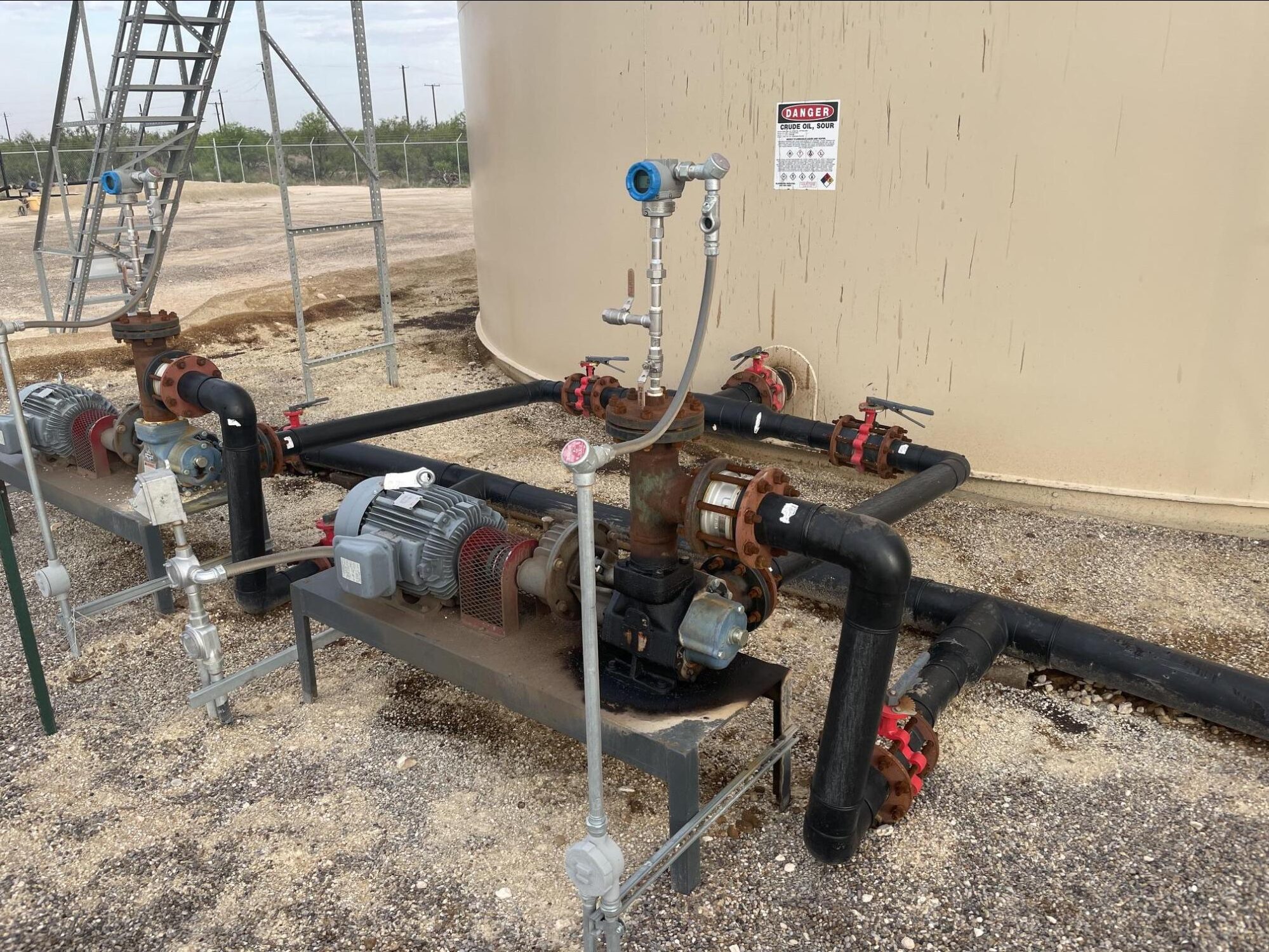
Drilling fluid returning from an H2S-bearing formation has to be degassed before it reaches open mud pits or personnel work areas, typically using a mud-gas separator and degasser that route extracted gas to a flare line rather than releasing it near the rig floor. Sufficient scavenging or neutralizing mud additives should be kept on location any time formation pressures or H2S content are not fully known, so the crew can respond immediately if H2S shows up in returns rather than waiting on a chemical delivery.
Equipment and Material Selection for Sour Service
Any equipment that could be exposed to H2S during drilling or workover operations needs to be rated for sour service, since standard drill string and wellhead materials can be vulnerable to hydrogen-induced cracking and sulfide stress cracking in an H2S environment, particularly at lower steel grades. Selecting materials in line with NACE MR0175/ISO 15156 guidance ahead of encountering H2S avoids a scramble to swap out incompatible equipment once a sour zone has already been penetrated.
Respiratory Protection and the Unknown-Concentration Rule
Whenever H2S concentration in a work area is not yet characterized, personnel should wear a NIOSH-approved supplied-air respirator and use the buddy system until reliable monitoring data confirms the actual concentration, rather than assuming a lower level of protection is adequate based on past experience at the same well or field. Only after monitors confirm safe conditions should protection be downgraded, and monitors themselves need to stay on a documented calibration schedule so that a safe reading is one the crew can actually trust.